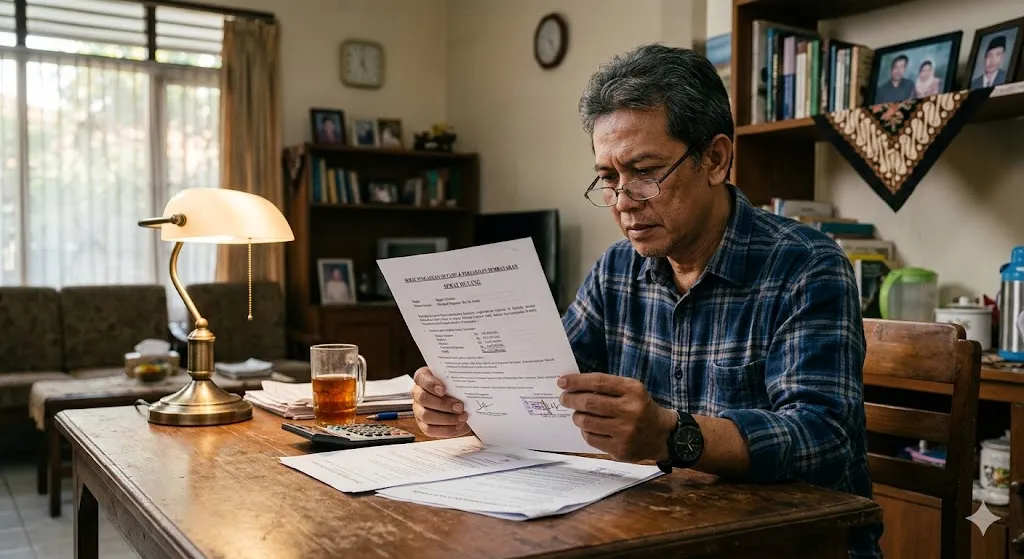

An emergency fund is one of the simplest financial tools, but it can change how a household handles stress. It gives you a cash buffer for unexpected expenses, income disruptions, and urgent repairs without immediately relying on credit cards or loans.
The purpose is not to make life risk-free. No savings account can do that. The purpose is to create breathing room when something goes wrong.
For many people, an emergency fund is the first real step toward financial stability because it protects everyday life before bigger goals, such as investing or homeownership, become the focus.
What an Emergency Fund Really Is
An emergency fund is money set aside specifically for unexpected but necessary expenses. It is usually kept in a safe, accessible account rather than invested in risky assets.
This money is not meant for vacations, shopping, planned upgrades, or regular monthly bills. It is for situations such as job loss, medical costs, urgent car repairs, home repairs, emergency travel, or a temporary income gap.
The best emergency fund is boring on purpose. It should be easy to access, easy to understand, and separate enough that you are not tempted to spend it casually.

Why an Emergency Fund Matters
Without emergency savings, small problems can become expensive problems. A $700 car repair may turn into a credit card balance. A delayed paycheck may cause late fees. A medical bill may force someone to pause other financial goals.
An emergency fund creates a layer of protection between you and debt. It can also reduce stress because you are not forced to make every decision from a place of panic.
The emotional benefit matters too. Knowing that some money is available for true emergencies can make ordinary financial decisions feel less fragile.
It is not about being wealthy. It is about being prepared.
Emergency Fund Options Compared
Different storage options can work, but the priority should be safety and access. Emergency money should not be placed somewhere that could lose value right when you need it.
| Option | How It Works | Best For | Main Limitation |
|---|---|---|---|
| Regular savings account | Cash kept at a bank or credit union | Easy access and basic protection | May earn low interest |
| High-yield savings account | Savings account with a more competitive rate | Emergency savings with better growth potential | Transfers may take time depending on the bank |
| Money market account | Deposit account that may offer checks or debit access | Flexible access and possible higher yield | May require higher balance |
| Short-term CDs | Fixed-term deposit with a set maturity | Extra savings beyond the core emergency fund | Early withdrawal penalties may apply |
| Cash at home | Physical money stored privately | Immediate access for small urgent needs | Theft, loss, and no interest |
A strong setup may use more than one option. For example, someone may keep a small amount in a checking account, a larger amount in high-yield savings, and avoid locking the core emergency fund into long-term products.
Common Causes of Financial Emergencies
Financial emergencies often come from ordinary life, not dramatic events. Cars break down. Appliances stop working. Dental work becomes necessary. A pet gets sick. A company reduces hours. Rent rises faster than expected.
Irregular expenses can also feel like emergencies when they are not planned for. Annual insurance premiums, school costs, tax bills, and holiday travel may not be surprises, but they can still strain the budget if money was not set aside.
This is where many households get stuck. The issue is not always reckless spending. Sometimes the problem is that the budget only accounts for a normal month, while real life rarely stays normal.
Pro Insight
An emergency fund works best when it is treated as financial insurance, not extra spending money.
That mindset helps protect the fund from casual withdrawals. If the money is used for every inconvenience, it may not be there for a genuine crisis. A good rule is to ask whether the expense is necessary, unexpected, and urgent.
If the answer is yes, the emergency fund can do its job. If the answer is no, the expense may belong in a separate savings category.

How Much Should Be in an Emergency Fund
A common guideline is three to six months of essential expenses, but the right number depends on your life. Essential expenses include housing, utilities, groceries, insurance, transportation, minimum debt payments, and basic household needs.
Someone with steady income, low debt, and strong family support may feel comfortable with a smaller fund. A self-employed worker, single-income household, homeowner, or parent may need a larger cushion.
A starter emergency fund can be much smaller. Even $500 or $1,000 can prevent a minor issue from becoming new debt. After that, the fund can grow gradually.
The target should feel useful, not impossible. If six months of expenses feels overwhelming, start with one month. Progress matters more than perfection.
Practical Steps to Build an Emergency Fund
Start by choosing a target. If you are beginning from zero, set a starter goal that feels reachable within a few months. This creates momentum.
Next, separate the money from daily spending. A dedicated savings account can reduce the temptation to use the fund for ordinary purchases.
Then automate contributions. A small automatic transfer after each paycheck can build the fund quietly. Even modest deposits add up when they happen consistently.
Use windfalls carefully. Tax refunds, bonuses, rebates, or extra freelance income can help fill the fund faster. You do not need to save every unexpected dollar, but directing part of it toward emergencies can strengthen your financial base.
Once the fund reaches your target, keep it active. Replace money after you use it. Review the amount when rent, insurance, family size, or income changes.
Quick Tip
Name the account something specific.
An account called “Emergency Fund” is easier to protect than a generic savings account. The label reminds you why the money exists before you move it.
A Real-World Micro Scenario
Imagine a renter with $3,200 in monthly take-home pay and no emergency fund. Their car needs a $900 repair to keep getting to work. Without savings, they put the repair on a credit card.
The payment is manageable at first, but interest makes the balance harder to clear. A few months later, another expense appears, and the cycle continues.
Now imagine the same person had saved $75 per paycheck for several months. The repair would still be frustrating, but it would not become long-term debt. They could pay the mechanic, pause extra savings briefly, and rebuild the fund afterward.
That is the quiet power of emergency savings. It does not make the problem pleasant. It keeps the problem contained.
Where to Keep Emergency Savings
Emergency savings should usually be kept in a safe, liquid account. Liquidity means you can access the money when needed without waiting too long or selling investments at a bad time.
A high-yield savings account can be a practical choice because it may earn more interest while keeping money accessible. A regular savings account may be useful if immediate access is more important than yield.
Investing the emergency fund is usually risky because markets can fall at the same time you need cash. Emergency money has a different job than investment money. Its job is stability.
Some people also keep a small amount of cash at home for immediate needs, such as a power outage or card issue. This should be limited and stored carefully.
Mistakes to Avoid
One mistake is setting the target too high at the beginning. If the goal feels impossible, it can lead to giving up. A starter fund is better than no fund.
Another mistake is mixing emergency savings with everyday money. When everything sits in one account, it becomes harder to know what is safe to spend.
Some people also use the fund for predictable expenses. Car insurance, annual memberships, holiday gifts, and routine maintenance should ideally have their own savings categories.
A final mistake is not rebuilding the fund after using it. Emergencies happen more than once. The fund should be refilled before moving aggressively toward less urgent goals.
Balancing Emergency Savings With Debt
Many households are building savings while also paying off debt. This can feel frustrating, but both goals can work together.
A small emergency fund can prevent new debt while you attack existing balances. Without cash savings, every surprise may push the credit card balance back up.
For high-interest debt, a common approach is to build a starter fund first, then focus extra money on the debt while maintaining the savings cushion. After expensive debt is reduced, the emergency fund can be expanded.
The right balance depends on interest rates, job stability, household needs, and risk tolerance. The key is avoiding an all-or-nothing mindset.

Frequently Asked Questions
What is an emergency fund used for?
An emergency fund is used for unexpected, necessary, and urgent expenses. Common examples include job loss, medical bills, car repairs, home repairs, emergency travel, or temporary income disruption.
How much emergency savings should I have?
Many people aim for three to six months of essential expenses. Beginners may start with a smaller goal, such as $500, $1,000, or one month of basic expenses.
Should I invest my emergency fund?
Emergency savings are usually better kept in a safe and accessible account. Investing emergency money can expose it to losses when cash is needed most.
Is it okay to use an emergency fund for bills?
It may be appropriate if income is interrupted or a true emergency affects your ability to pay essential bills. Regular monthly bills should normally be covered by the budget, not the emergency fund.
How do I rebuild an emergency fund after using it?
Pause less urgent savings goals temporarily, restart automatic transfers, and direct extra income toward the fund until it returns to the target level.
Conclusion
An emergency fund is a practical foundation for financial stability. It helps protect against debt, reduces stress, and gives you more control when life becomes unpredictable.
The best approach is simple. Start with a realistic target, keep the money separate, automate contributions, and use the fund only for true emergencies.
Over time, this quiet habit can make your entire financial life stronger. Not because emergencies disappear, but because you are better prepared when they arrive.
Trusted U.S. Resources
https://www.consumerfinance.gov
This article is for general informational purposes only and does not provide legal, financial, medical, or professional advice. Policies, rates, and regulations may change over time.