

Saving money is often presented as a strict exercise in cutting expenses, but sustainable saving usually works differently. The most effective habits are often the ones people can maintain consistently without feeling constantly restricted.
For many households, saving money is less about dramatic sacrifices and more about improving awareness, reducing waste, and building systems that protect long-term financial stability.
Small changes compound over time.
Why Saving Money Matters Beyond Emergencies

Savings provide flexibility.
That flexibility can help with:
- Emergency expenses
- Medical costs
- Job interruptions
- Major purchases
- Travel goals
- Retirement preparation
- Reducing financial stress
Without savings, unexpected expenses often turn into debt.
Even modest emergency reserves can reduce reliance on:
- Credit cards
- Personal loans
- High-interest financing
Financial stability usually starts with liquidity before investing becomes the focus.
Common Ways People Save Money
Different approaches work for different lifestyles and income levels.
Automatic Transfers
Many people save more consistently when money moves automatically into savings accounts before discretionary spending occurs.
Automation reduces the need for constant self-control.
Expense Tracking
Tracking recurring expenses often reveals areas where spending quietly grows over time:
- Subscription services
- Delivery fees
- Dining out
- Impulse online shopping
Awareness alone can improve spending decisions.
Reducing High-Interest Debt
Paying down high-interest balances may improve cash flow faster than trying to maximize investment returns immediately.
Interest works in both directions.
Building Emergency Savings Gradually
Large savings goals can feel overwhelming. Smaller consistent contributions are often easier to maintain over time.
Saving Money Compared Across Financial Priorities
| Financial Goal | Main Purpose | Time Horizon | Common Challenge |
|---|---|---|---|
| Emergency Fund | Financial stability | Short term | Consistency |
| Retirement Savings | Long-term growth | Decades | Delayed starting |
| Debt Reduction | Lower financial pressure | Months to years | Interest accumulation |
| Large Purchases | Planned spending | Variable | Impulse spending |
| Flexible Cash Reserves | Financial adaptability | Ongoing | Inflation impact |
Why Lifestyle Inflation Slows Saving

One major obstacle to saving is lifestyle inflation.
As income increases, spending often rises alongside it:
- Larger housing costs
- More subscriptions
- Higher dining expenses
- Vehicle upgrades
- Financing additional purchases
Some spending increases are reasonable. Problems usually appear when expenses grow faster than financial stability.
Saving rates often improve when income growth outpaces lifestyle expansion.
Pro Insight
Extreme frugality is difficult to maintain long term for most people. Sustainable saving usually works better when budgets include realistic discretionary spending instead of eliminating all flexibility.
People tend to stay consistent longer when the system feels manageable rather than restrictive.
Quick Tip
Review recurring monthly subscriptions at least twice per year. Small automatic charges are easy to ignore but can quietly reduce long-term savings potential without adding much value.
Real-World Micro Scenario
A household believes saving money requires eliminating vacations and entertainment completely. After reviewing spending patterns carefully, they instead reduce several recurring subscription services, refinance a high-interest loan, and automate modest monthly savings transfers.
The result feels more sustainable than attempting an aggressive short-term spending freeze.
Small systems often outperform dramatic changes.
Common Saving Money Mistakes
Some common saving obstacles include:
- Waiting for “extra money” before saving
- Ignoring recurring expenses
- Keeping no emergency reserve
- Carrying high-interest debt too long
- Saving inconsistently
- Increasing lifestyle spending after raises
- Treating saving as temporary rather than ongoing
Consistency usually matters more than perfection.
Balancing Saving and Investing
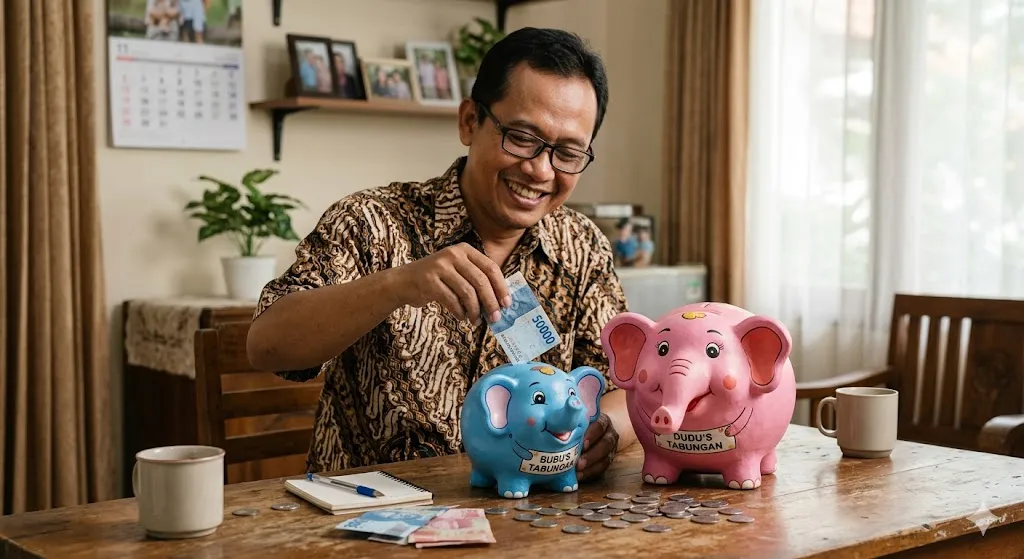
Saving and investing serve different purposes.
Savings generally focus on:
- Stability
- Liquidity
- Short-term access
Investing focuses more on:
- Long-term growth
- Inflation protection
- Wealth accumulation
Many financial plans use both rather than treating them as competing priorities.
Frequently Asked Questions
What is the best way to start saving money
Many people begin with automatic transfers into savings accounts and basic spending awareness.
How much emergency savings should I have
Many financial planners suggest several months of essential expenses, though needs vary by situation.
Is paying off debt better than saving
It depends on interest rates, emergency needs, and overall financial stability.
Why is saving money difficult for many people
Rising living costs, lifestyle inflation, debt, and inconsistent spending habits can all make saving harder.
Should I save money before investing
Many people prioritize emergency savings first before focusing heavily on investing.
Conclusion
Saving money is less about extreme restriction and more about creating sustainable financial habits that improve stability over time. Consistent saving, controlled spending, and realistic financial planning often matter more than dramatic short-term sacrifices.
The strongest saving habits are usually the ones people can maintain comfortably for many years.
https://www.consumerfinance.gov
https://www.investor.gov
https://www.finra.org
https://www.usa.gov/money
This article is for general informational purposes only and does not provide legal, financial, medical, or professional advice. Policies, rates, and regulations may change over time.