

Tax planning is an ongoing process of organizing your finances to manage how and when taxes are applied. Rather than reacting at filing time, effective planning helps you make informed decisions throughout the year that can improve your overall financial efficiency.
A thoughtful approach can help you reduce surprises and maintain better control over your finances.
What Tax Planning Involves

Tax planning focuses on aligning your income, expenses, and investments with current tax rules.
It typically includes:
- Managing taxable income
- Using deductions and credits
- Timing financial decisions
- Structuring investments efficiently
The goal is to reduce unnecessary tax burden while staying compliant.
Why Tax Planning Matters
Planning ahead can provide both short-term and long-term benefits.
Key Advantages
- Helps reduce total taxes owed
- Improves cash flow management
- Supports long-term financial goals
- Minimizes last-minute stress during tax season
It’s not just about saving money—it’s about making smarter financial decisions.
Core Tax Planning Strategies
Income Management
Adjusting when and how income is received can influence tax outcomes.
Deduction Optimization
Tracking eligible expenses ensures you don’t miss valuable deductions.
Tax Credit Utilization
Credits directly reduce the amount of tax you owe.
Investment Planning
Holding periods and account types can affect how investments are taxed.
Each strategy works best when applied consistently over time.
Comparing Key Tax Planning Approaches
| Strategy | Focus Area | Benefit | Consideration |
|---|---|---|---|
| Income Timing | When income is taxed | Potentially lower tax rate | Requires flexibility |
| Deductions | Reducing taxable income | Broad applicability | Requires documentation |
| Credits | Direct tax reduction | Immediate savings | Eligibility rules apply |
| Investment Planning | Tax-efficient growth | Long-term benefit | Requires planning ahead |
Combining these approaches can improve overall results.
Pro Insight
Tax planning is most effective when it aligns with your broader financial strategy. Decisions made solely for tax reasons may not always support long-term goals, so balance is essential.
How Timing Impacts Tax Outcomes
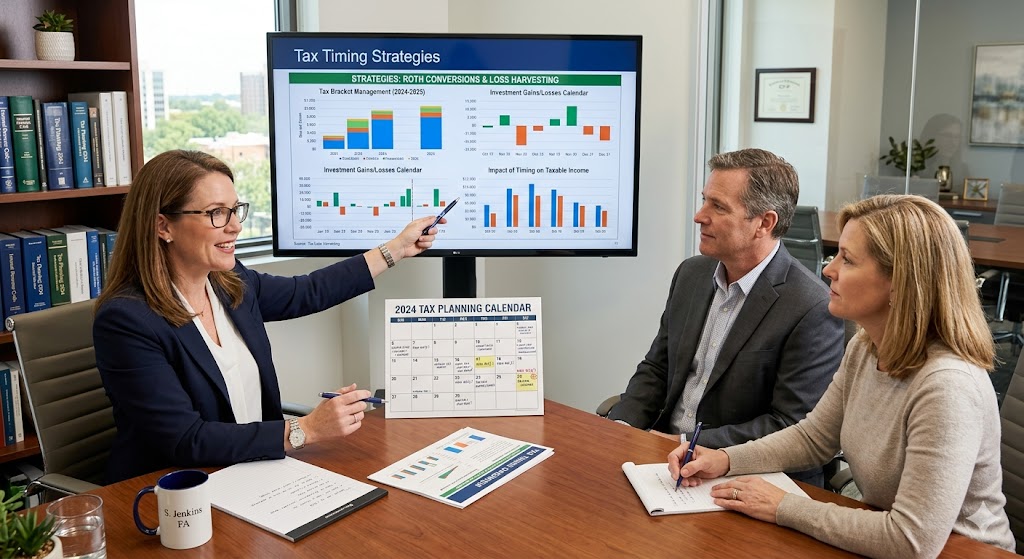
Deferring Income
Postponing income to a later period may reduce current tax liability.
Accelerating Expenses
Bringing forward deductible expenses can lower taxable income now.
Strategic Asset Sales
Selling investments at the right time can affect capital gains taxes.
Timing doesn’t eliminate taxes—but it can change when and how much you pay.
Quick Tip
Keep a simple record of income and expenses throughout the year. Staying organized makes tax planning easier and more accurate.
Real-World Scenario
A freelancer tracks income and expenses carefully:
- Delays invoicing late in the year
- Pays for business-related expenses before year-end
As a result:
- Taxable income for the current year is reduced
- Cash flow remains manageable
Small adjustments can lead to meaningful differences.
Common Mistakes to Avoid
- Waiting until tax season to plan
- Missing eligible deductions or credits
- Ignoring tax implications of investments
- Making decisions based only on short-term tax savings
These mistakes can limit the effectiveness of your strategy.
When to Focus on Tax Planning
- During income changes
- When starting or growing a business
- When investing regularly
- When planning for retirement
Tax planning becomes more valuable as your financial situation evolves.

Frequently Asked Questions
What is tax planning?
It’s the process of organizing finances to manage tax liability efficiently.
Is tax planning legal?
Yes, when done within tax laws and regulations.
When should I start tax planning?
Ideally at the beginning of the year and reviewed regularly.
Does tax planning only benefit high earners?
No, it can benefit individuals at various income levels.
How often should I review my tax plan?
At least once a year or when your financial situation changes.
Conclusion
Tax planning is a proactive approach to managing your finances more effectively. By understanding how income, deductions, and investments are taxed, you can make better decisions throughout the year and reduce unnecessary tax burdens.
A consistent and balanced strategy can support both immediate savings and long-term financial stability.
Trusted U.S. Resources
https://www.irs.gov
https://www.usa.gov/taxes
https://www.consumerfinance.gov
https://www.treasury.gov
This article is for general informational purposes only and does not provide legal, financial, medical, or professional advice. Policies, rates, and regulations may change over time.