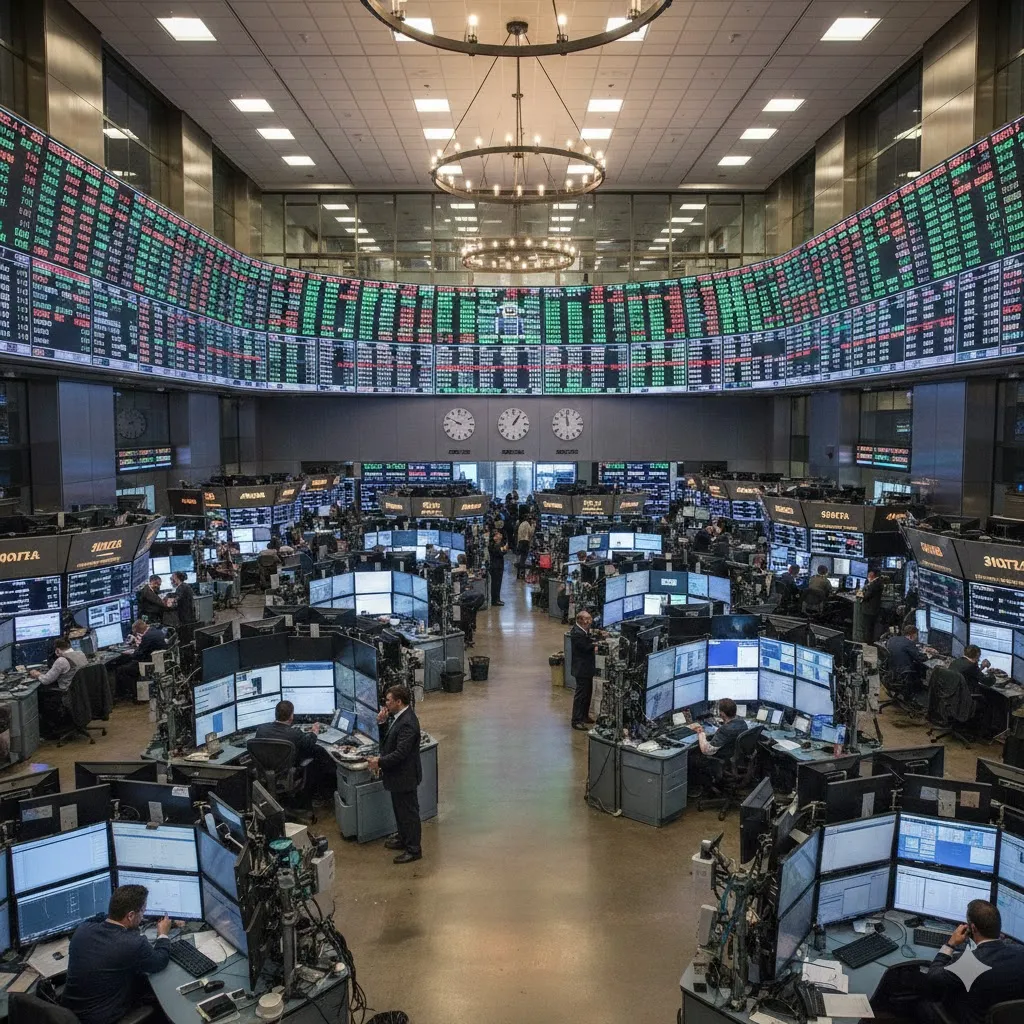

Explore trading vs investing, how they differ in risk, time, and goals, and how people choose the approach that fits their lifestyle.
When people compare trading vs investing, they’re usually trying to answer a deeper question: Do I want speed or patience? Both approaches aim to grow money, yet they operate on very different timelines, emotions, and expectations. Understanding the difference helps you avoid using the wrong mindset for the wrong approach.
What Trading Really Means
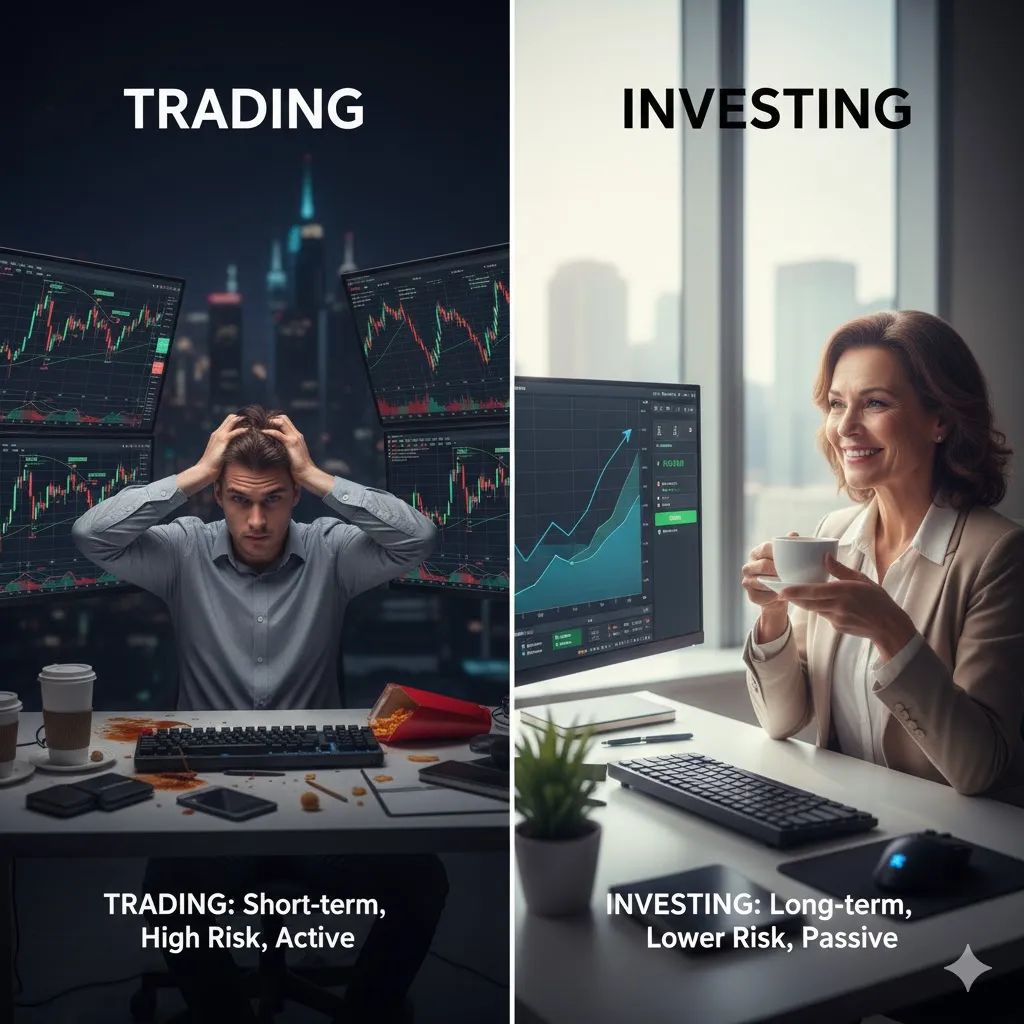
Trading focuses on shorter-term price movement. Traders buy and sell assets over days, hours, or even minutes, aiming to profit from volatility rather than long-term growth.
For example, a trader might buy a stock after a breakout and sell it days later once momentum fades. The decision is driven by price behavior, not by belief in the company’s future. Because timing matters, trading requires frequent attention and emotional discipline.
What Investing Is About
Investing focuses on long-term value. Investors buy assets they believe will grow over years, not days. The goal is compounding, not constant activity.
An investor may buy shares of a company or an index fund and hold through market ups and downs. Short-term price drops matter less than long-term direction. This patience is what allows compounding to work over time.
Key Differences Between Trading and Investing
| Aspect | Trading | Investing |
|---|---|---|
| Time Horizon | Short-term | Long-term |
| Decision Focus | Price & momentum | Value & growth |
| Emotional Pressure | Higher | Lower |
| Time Commitment | Frequent | Periodic |
| Typical Goal | Capture moves | Build wealth |
Both paths can succeed, but mixing their rules often leads to frustration.
Risk Looks Different in Each Approach
Trading risk comes from speed. Quick decisions, volatility, and leverage can amplify mistakes. Investing risk comes from patience—enduring drawdowns and staying committed during uncertainty.
A trader who treats trades like long-term investments may hold losses too long. An investor who trades emotionally may exit solid positions too early. Understanding risk context is critical.
Which One Fits Your Lifestyle?
Trading suits people who enjoy analysis, structure, and fast feedback. It demands focus and consistency. Investing suits those who prefer long-term planning, fewer decisions, and less screen time.
Some people combine both—investing core capital long-term while trading a smaller portion actively. The key is keeping rules separate.
Pro Insight
Many people fail not because trading or investing is flawed, but because they expect one approach to deliver the benefits of the other. Clear expectations prevent disappointment.
Quick Tip
Before choosing trading or investing, track how you react to losses. Your emotional response often reveals which approach fits you better.
Disclaimer
This content is for educational and informational purposes only and does not constitute financial or investment advice. Outcomes vary based on individual decisions and market conditions.
FAQs About Trading vs Investing
Is trading riskier than investing?
Trading often carries higher short-term risk due to speed and volatility.
Can beginners start with investing first?
Many do, because it requires fewer decisions and less timing pressure.
Do traders and investors use different tools?
Yes. Traders focus on charts and price action, while investors emphasize fundamentals.
Can someone do both trading and investing?
Yes, but it’s important to separate capital and rules clearly.
Which approach builds wealth more reliably?
Historically, long-term investing has been more consistent for most people.
Sources
- Investopedia – https://www.investopedia.com/terms/t/trading.asp
- Investopedia – https://www.investopedia.com/terms/i/investing.asp
- SEC Investor Education – https://www.investor.gov/introduction-investing
- Fidelity – https://www.fidelity.com/learning-center/trading-investing/trading-vs-investing