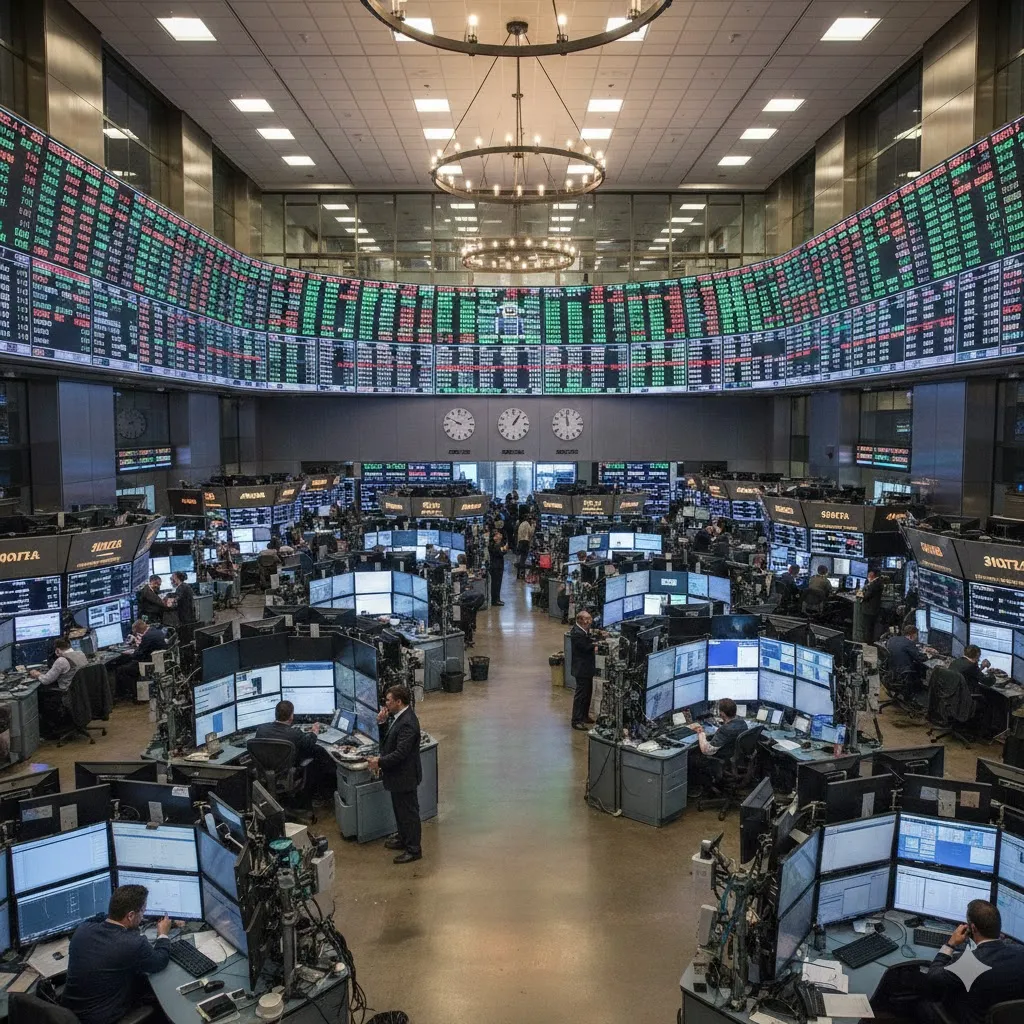

Learn the main trading risks, how they appear in real markets, and what traders do to manage them responsibly.
Searching for trading risks usually means you want a clearer picture of what can actually go wrong. Trading is often presented as opportunity, but every opportunity carries risk. Understanding those risks doesn’t eliminate losses—it helps you survive them and make better decisions over time.
Why Trading Risks Matter More Than Profits
Many traders focus on upside potential while underestimating downside reality. Still, losses are not exceptions in trading—they are part of the process. The real difference between long-term traders and short-term participants is how they manage risk, not how often they win.
For example, a trader who risks too much on one idea may see weeks of progress erased in a single move. Meanwhile, another trader with smaller, controlled risk may absorb losses and continue trading without emotional damage.
Risk defines staying power.
Core Types of Trading Risks
Trading risks appear in different forms, and many happen at the same time.
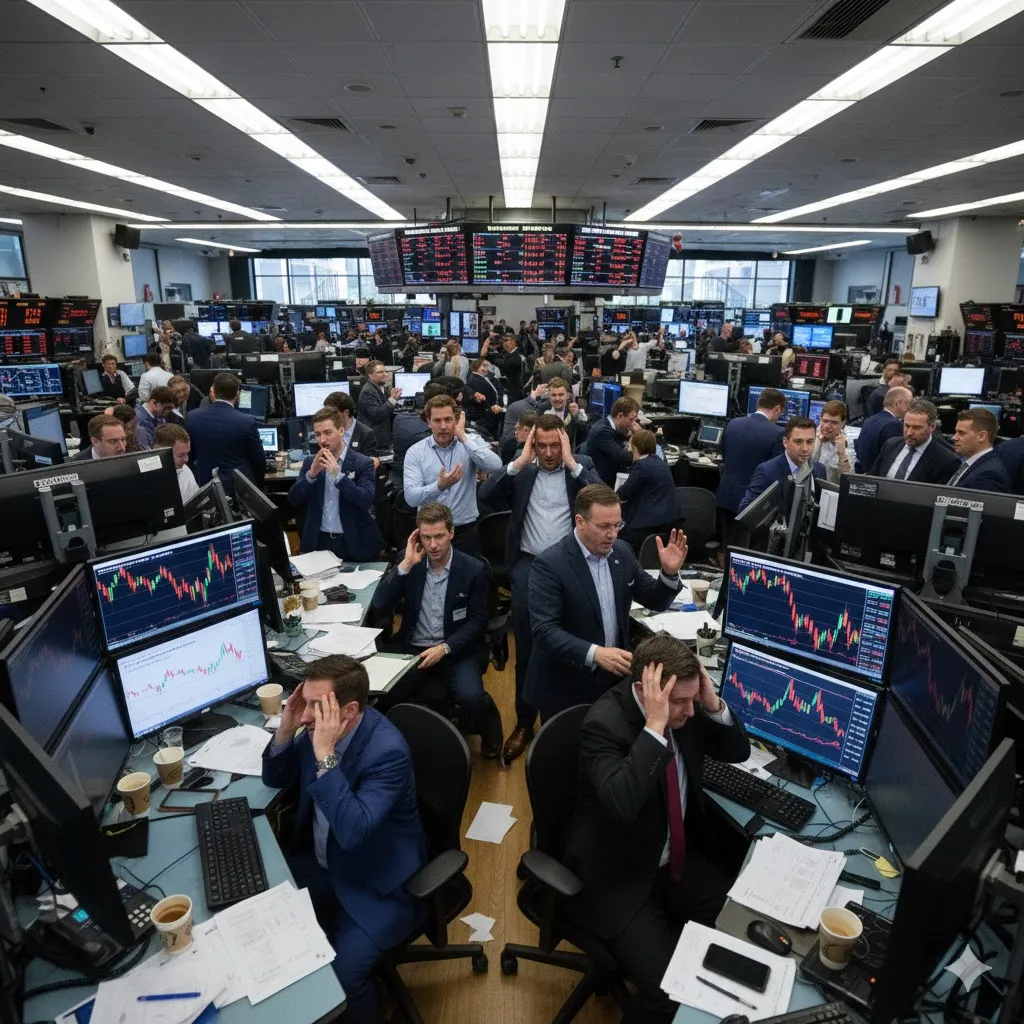
Market risk comes from price moving against your position. Liquidity risk occurs when you cannot exit at your expected price. Execution risk involves slippage or delays. Emotional risk shows up when fear or overconfidence overrides your plan.
Ignoring any one of these can be costly.
How Different Trading Styles Face Risk
| Trading Style | Primary Risk | Why It Matters |
|---|---|---|
| Day Trading | Speed & volatility | Fast moves amplify mistakes |
| Swing Trading | Overnight gaps | News can change direction |
| Long-Term Trading | Market cycles | Drawdowns test patience |
| Leverage Trading | Forced liquidation | Small moves cause big losses |
Understanding how risk changes by style helps traders choose approaches that match their temperament.
The Role of Leverage in Trading Risk
Leverage magnifies both gains and losses. While it can increase returns, it also shortens the margin for error. Many traders underestimate how quickly leveraged positions can turn against them.
This is why unleveraged or low-leverage trading is often preferred by traders focused on longevity rather than speed.
Risk Management Is Not Optional
Risk management is not a feature—it is the foundation. Position sizing, stop-loss placement, and limiting total exposure matter more than finding perfect entries.
Even simple rules, like risking only a small percentage per trade, can dramatically reduce the impact of inevitable losing streaks.
Pro Insight
Most trading losses are survivable. The losses that end trading careers usually come from ignoring risk rules during emotional moments. Discipline protects capital more than intelligence ever will.
Quick Tip
If a single trade can significantly damage your account, your risk is already too high—regardless of how confident the setup looks.
Disclaimer
This content is for educational and informational purposes only and does not constitute financial or investment advice. Trading involves risk, and losses can exceed expectations depending on strategy and market conditions.
FAQs About Trading Risks
Is trading risk unavoidable?
Yes. Risk is inherent in all trading activities.
Can risk be eliminated with a good strategy?
No. Strategies manage risk—they don’t remove it.
Does diversification reduce trading risk?
It can reduce exposure to single events but doesn’t prevent losses.
Why do emotions increase trading risk?
Fear and greed often lead to breaking rules and poor decisions.
Is paper trading risk-free practice enough?
It helps with mechanics, but real risk involves emotional pressure that simulations can’t fully replicate.
Sources
- Investopedia – https://www.investopedia.com/terms/r/risk.asp
- CME Group – https://www.cmegroup.com/education/articles-and-reports/risk-management.html
- Nasdaq – https://www.nasdaq.com/articles/trading-risk-management-basics
- SEC Investor Education – https://www.investor.gov/introduction-investing/investing-basics