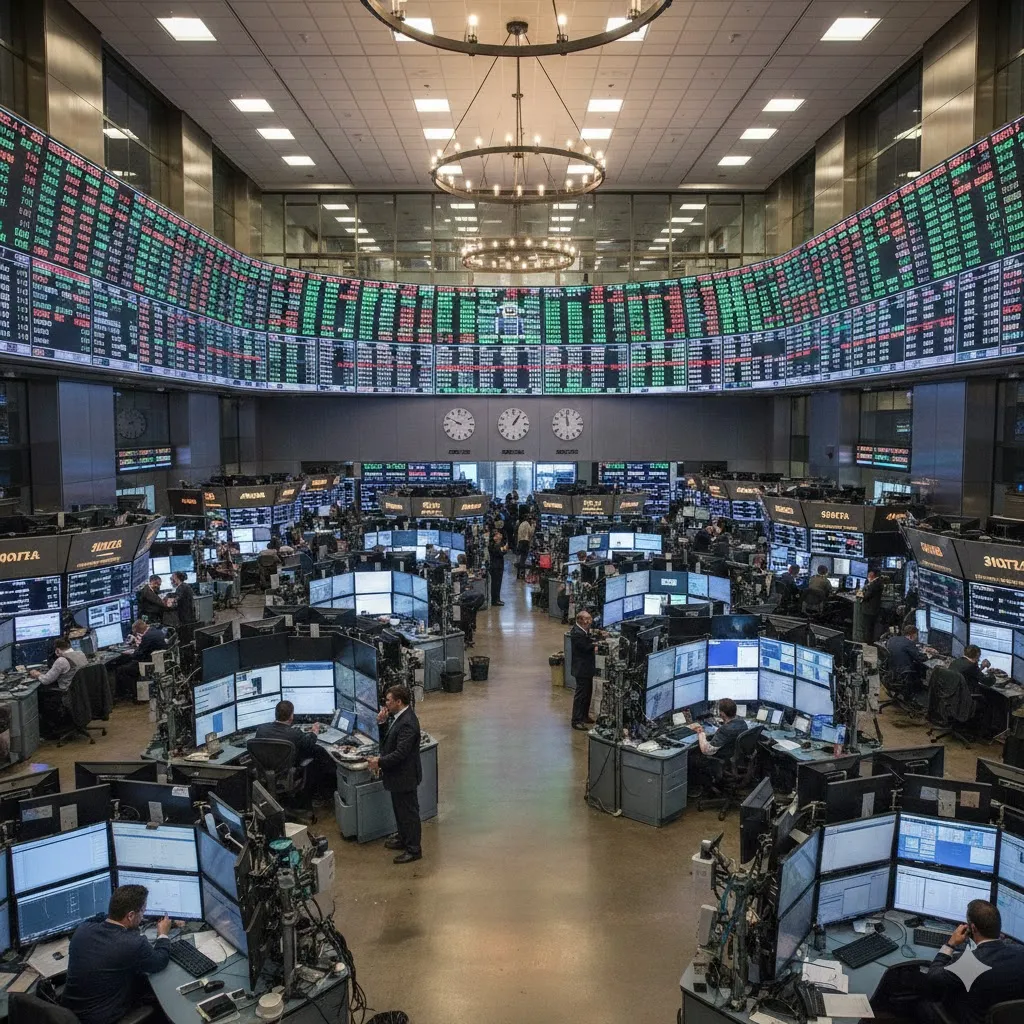

Swing trading sits between day trading and long-term investing. Instead of entering and exiting positions within a single day, swing traders aim to capture price movements that unfold over several days or weeks. The goal is to benefit from short- to medium-term trends without the constant screen time day trading requires.
In 2025, swing trading remains popular across stocks, crypto, and other liquid markets, especially among traders who want flexibility while still being actively involved.
Disclaimer: This article is for educational purposes only and does not provide financial, legal, or investment advice. Swing trading involves risk, and outcomes depend on market conditions and individual decisions.
What swing trading really means
Swing trading focuses on identifying price “swings” within an overall trend. Traders look for opportunities where an asset may be temporarily oversold or overbought and aim to profit as price moves back toward its trend.
Unlike day traders, swing traders usually hold positions overnight and sometimes over multiple weeks. This allows them to target larger price moves while avoiding the noise of minute-by-minute fluctuations.
For example, a trader might buy an asset after a pullback in an uptrend and sell it several days later once momentum resumes.
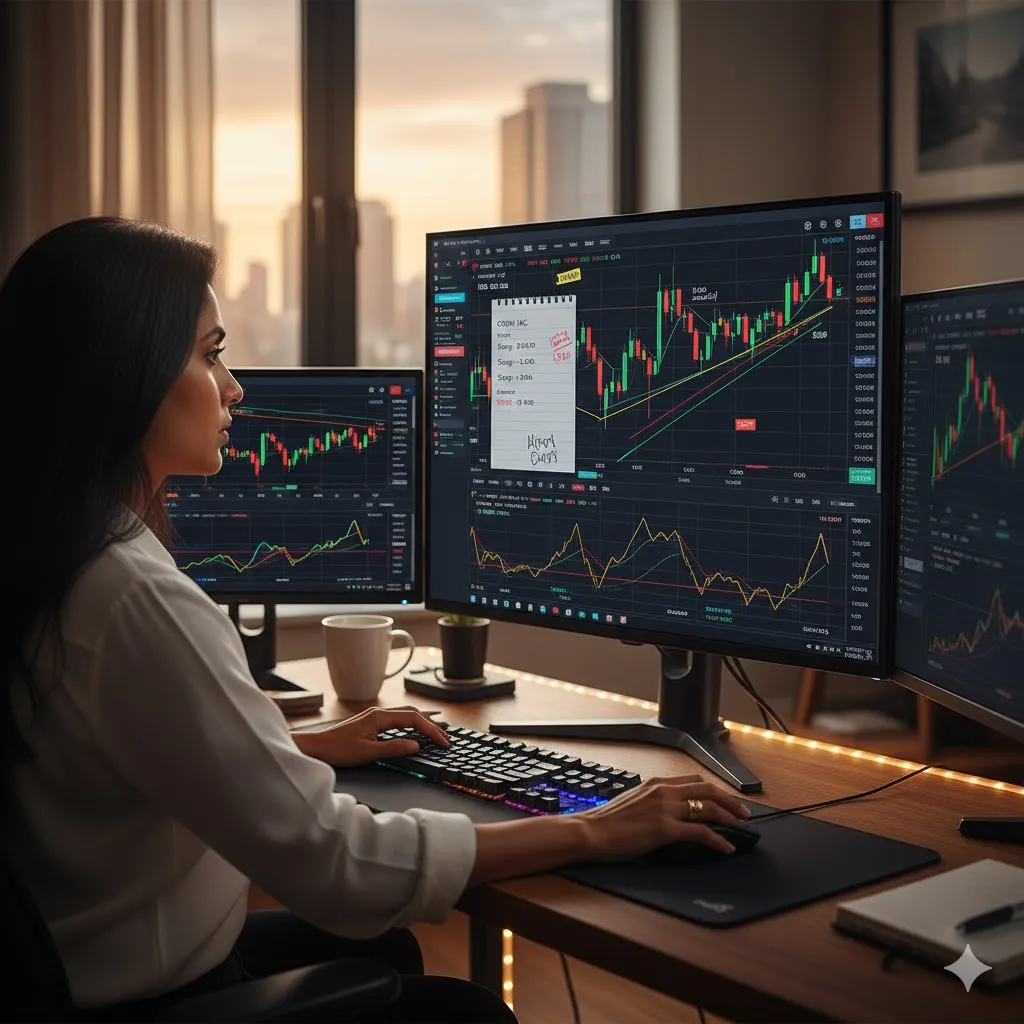
Markets commonly used for swing trading
Swing trading can be applied to many markets, but liquidity and volatility matter.
Stocks are popular due to clear trends and regular market hours.
Crypto offers continuous trading and larger swings, but with higher volatility.
Forex provides frequent opportunities due to global market activity.
The choice of market often depends on personal schedule, risk tolerance, and familiarity with price behavior.
Swing trading vs day trading and investing
Understanding how swing trading compares to other approaches helps set expectations.
| Approach | Holding Period | Time Commitment | Typical Risk |
|---|---|---|---|
| Day trading | Minutes to hours | Very high | High |
| Swing trading | Days to weeks | Moderate | Medium |
| Long-term investing | Months to years | Low | Market-dependent |
Swing trading balances activity and patience, offering flexibility without constant monitoring.
Pro Insight: Many traders prefer swing trading because it reduces emotional pressure while still allowing active decision-making.
Common tools used in swing trading
Swing traders typically rely on technical analysis to time entries and exits. Common tools include:
- Support and resistance levels
- Trend lines and channels
- Moving averages
- Momentum indicators
These tools help traders identify potential turning points and manage risk more effectively.
Quick Tip: Swing trading works best when trades are planned in advance, not chased after sudden price moves.
Risks and challenges to consider
While swing trading avoids some intensity of day trading, it introduces other risks. Holding positions overnight exposes traders to news events, earnings releases, or macro developments that can cause price gaps.
A realistic scenario: a trader holds a position over the weekend, and unexpected news causes the price to open sharply lower. Managing position size and stop levels is essential.
How swing trading fits into markets in 2025
In 2025, better charting platforms, mobile access, and real-time alerts make swing trading more accessible. Many traders combine swing strategies with risk management rules to limit downside while allowing profits to run.
Swing trading is often treated as a skill that improves with practice rather than a shortcut to fast results.
Is swing trading right for you?
Swing trading may suit individuals who want to stay active in markets without constant screen time. It requires patience, discipline, and comfort with holding positions through short-term volatility.
It may be less suitable for those who prefer fully passive investing or those uncomfortable with overnight risk.
Frequently asked questions about swing trading
How long do swing trades last?
They typically last from a few days to several weeks.
Is swing trading risky?
Yes. It involves market risk, though usually less intensity than day trading.
Can beginners try swing trading?
Yes, but starting small and focusing on education is important.
Do swing traders use technical analysis?
Most rely heavily on technical analysis for timing trades.
Is swing trading legal in the U.S.?
Yes. Swing trading is legal, subject to standard market regulations.
Trusted U.S. sources for further reading
- U.S. Securities and Exchange Commission (SEC) – https://www.sec.gov
- FINRA Investor Education Foundation – https://www.finra.org
- Commodity Futures Trading Commission (CFTC) – https://www.cftc.gov
- Consumer Financial Protection Bureau (CFPB) – https://www.consumerfinance.gov