

Saving money isn’t about extreme frugality or cutting every comfort from your life. It’s about building financial stability through intentional habits. In 2026, rising living costs and digital spending make it easier than ever to lose track of where your money goes.
The good news? Small, consistent changes often produce meaningful long-term results. Saving isn’t a one-time event — it’s a system.
This article is for general informational purposes only and does not provide legal, financial, medical, or professional advice. Policies, rates, and regulations may change over time.
Start With Clear Visibility
Before increasing savings, understand your spending patterns.
For example, someone earning $4,800 per month might feel financially stretched. However, reviewing three months of bank statements could reveal $500–$700 in recurring dining, subscriptions, and impulse purchases.
Clarity creates opportunity.
Track Fixed and Variable Expenses
Separate expenses into:
- Fixed (rent, insurance, loan payments)
- Variable (groceries, gas, entertainment)
- Discretionary (streaming services, shopping, travel)
Once categorized, you can adjust realistically rather than guessing.

Build an Emergency Fund First
Before investing or making major financial moves, establish a safety buffer.
Most financial planners recommend saving three to six months of essential living expenses. This protects against:
- Job loss
- Medical emergencies
- Major car or home repairs
In 2026, many high-yield savings accounts offer competitive interest rates compared to traditional checking accounts, helping emergency funds grow modestly while remaining accessible.
| Savings Goal | Why It Matters | Suggested Target |
|---|---|---|
| Starter Emergency Fund | Immediate protection | $1,000–$2,000 |
| Full Emergency Fund | Income security | 3–6 months expenses |
| Short-Term Goals | Travel, repairs | Based on timeline |
| Long-Term Savings | Retirement, home | Ongoing contributions |
A structured approach makes goals measurable.
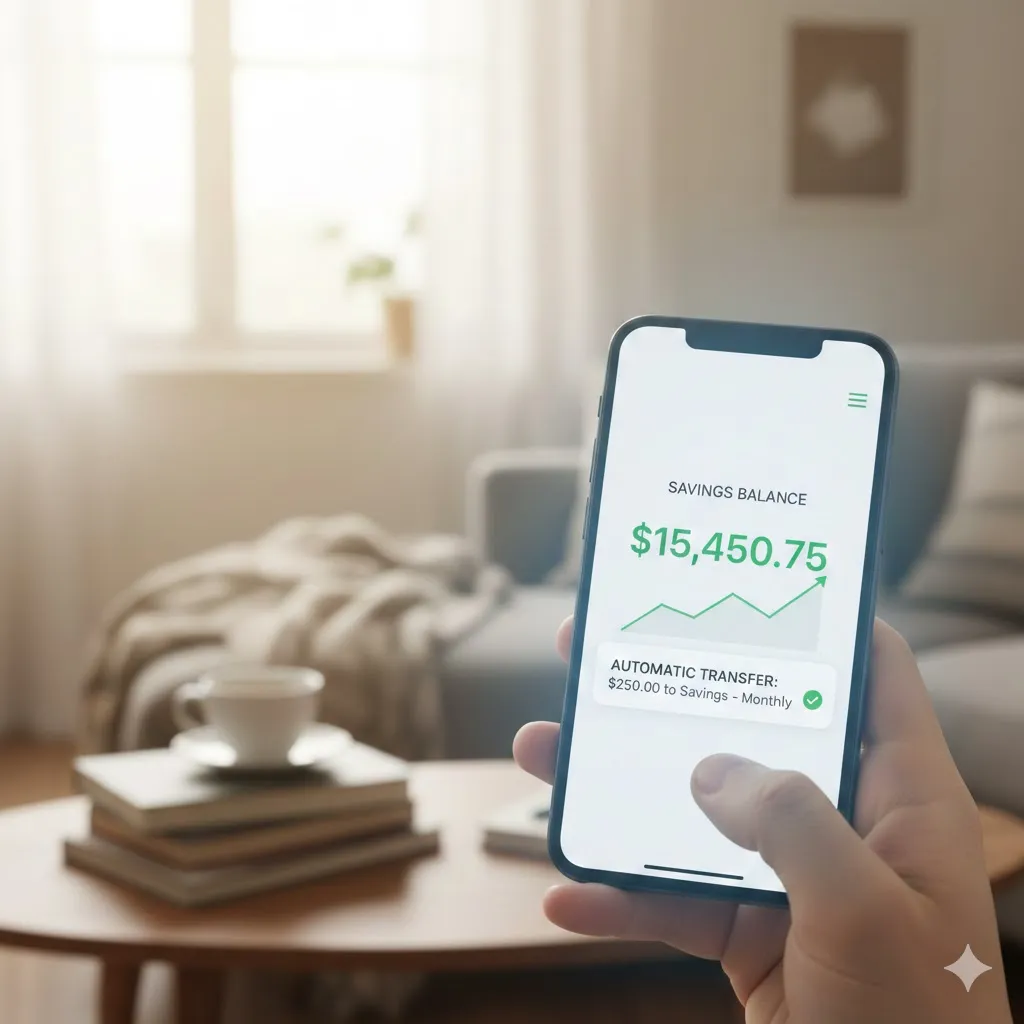
Automate Your Savings
Saving manually relies on discipline. Automation relies on systems.
Pay Yourself First
Schedule automatic transfers to savings immediately after each paycheck. When money moves before you spend it, your lifestyle adjusts naturally.
Increase Savings With Income Growth
When you receive a raise, increase your savings rate instead of upgrading expenses immediately.
For instance, directing just half of a $300 monthly raise toward savings builds $1,800 annually — without drastic lifestyle change.
Pro Insight
Small recurring expenses often produce the greatest long-term savings impact. Canceling or downgrading underused subscriptions may free up more money than cutting occasional large purchases.
Reduce High-Interest Debt
High-interest credit card balances can quietly erase your ability to save.
Paying off a 20% APR balance effectively provides a guaranteed return equal to the interest avoided. Once debt payments decrease, redirect those funds into savings automatically.
Make Saving Sustainable
Extreme budgeting often fails because it’s unrealistic. Instead:
- Allow reasonable discretionary spending
- Plan for irregular annual expenses
- Set specific, motivating savings goals
For example, saving for a down payment feels more tangible than “saving more.”

Quick Tip
Review your bank and credit card statements quarterly. Regular check-ins prevent spending drift and keep savings goals on track.
Frequently Asked Questions
How much should I save each month?
Many experts suggest at least 20% of income when possible, though personal situations vary.
Is it better to save or invest first?
Build an emergency fund first, then consider investing for long-term growth.
Where should I keep my savings?
High-yield savings accounts provide liquidity and competitive interest rates.
Can small savings really make a difference?
Yes. Consistency and compounding amplify small monthly contributions over time.
What’s the biggest mistake when trying to save money?
Inconsistency. Sporadic saving rarely builds meaningful financial security.
Conclusion
Saving money in 2026 requires awareness, automation, and steady habits. By tracking expenses, building an emergency fund, reducing high-interest debt, and automating contributions, you create a stable financial foundation.
Wealth doesn’t start with large windfalls. It starts with consistent decisions — repeated month after month.
Trusted U.S. Resources
Consumer Financial Protection Bureau (CFPB) – Savings Tools
https://www.consumerfinance.gov/
Federal Trade Commission (FTC) – Money and Credit Guidance
https://consumer.ftc.gov/
U.S. Securities and Exchange Commission (SEC) – Saving and Investing
https://www.sec.gov/
USA.gov – Financial Services and Benefits
https://www.usa.gov/