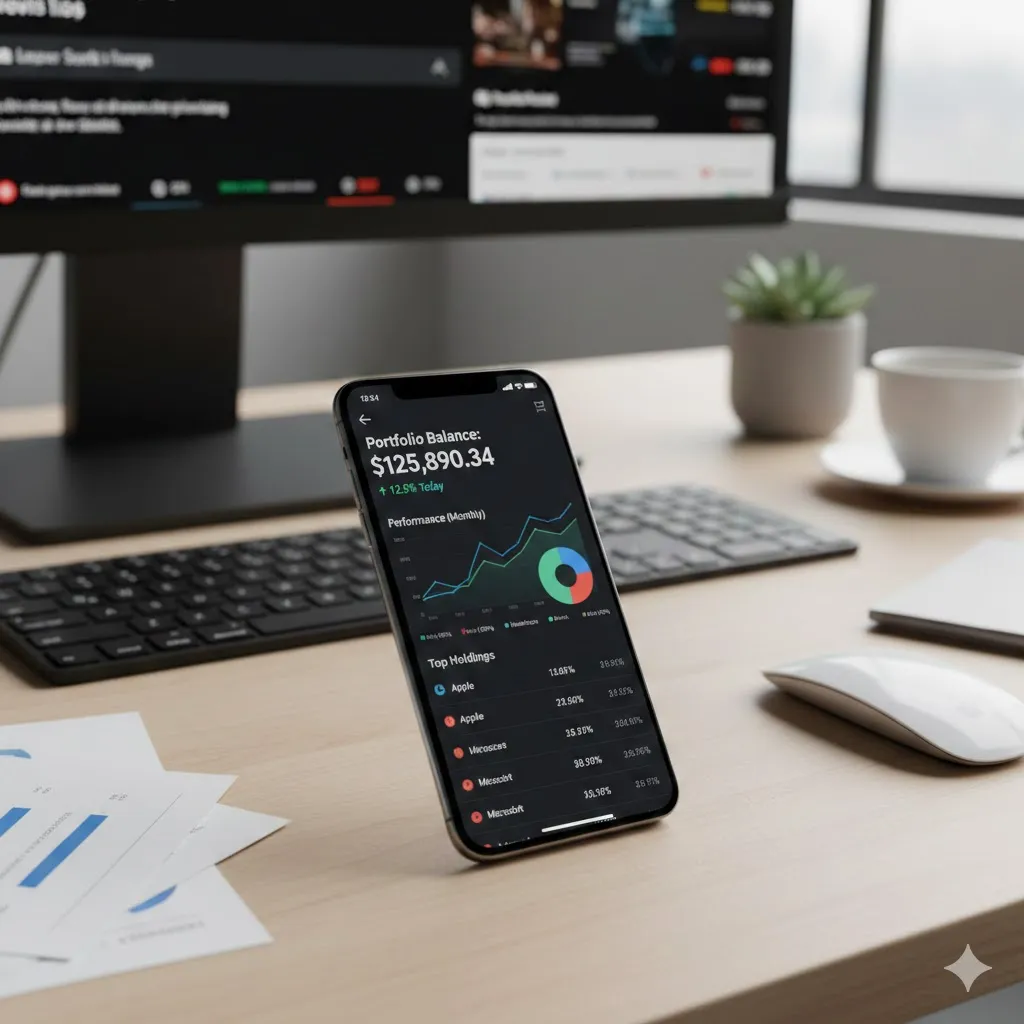

Robo portfolios are transforming how people invest. In 2026, they’re no longer a beginner novelty—they’re a practical way to build diversified exposure with automation that keeps emotions out of the equation. But not all robo portfolios are created equal, and understanding their strengths—and limits—can make the difference between slow progress and real results.
This guide breaks down what robo portfolios are, why many investors use them, and how to make them work for you.
This article is for general informational purposes only and does not provide financial, investment, or tax advice. Investment outcomes vary based on market conditions and individual circumstances.
What robo portfolios really are
At their core, robo portfolios use algorithms to construct and manage a diversified set of investments based on your goals, risk tolerance, and timeline. Once set up, they rebalance automatically, reinvest dividends, and often adjust over time as your profile evolves.
Instead of constantly choosing individual stocks or timing markets, you follow rules—and let the system execute.
A young professional in Chicago moved from reactive trading to a robo portfolio and saw steadier progress simply because decisions happened on a schedule, not every news cycle.

How robo portfolios fit into your financial life
Robo portfolios are best for long-term goals, retirement planning, and steady allocation strategies. They aren’t designed for speculative moves or rapid trading—but they excel at reducing emotional interference.
Rule-based behavior beats timing
Bots don’t panic. They don’t chase headlines. They execute pre-defined criteria consistently. That stability alone helps investors avoid costly timing mistakes.
Internal links to your long-term investing or risk management guides fit naturally here to provide deeper context.
Common components of robo portfolios
Most robo portfolios use some combination of:
- Exchange-Traded Funds (ETFs) for diversified exposure
- Automatic rebalancing to maintain target allocation
- Dividend reinvestment for compounding growth
- Tax optimization in many premium accounts
Some platforms add human advisor access, offering a hybrid experience.

Comparing popular robo portfolio styles
Different platforms serve different needs. Understanding their design helps you choose more confidently.
| Robo Portfolio Type | Best For | Hands-On Time | Customization |
|---|---|---|---|
| Core ETF allocations | Beginners | Very low | Low |
| Risk-adjusted rebalancing | Most investors | Low | Medium |
| Hybrid with advisor | Complex situations | Medium | High |
| Theme-based portfolios | Specific interests | Low | Variable |
Pro Insight
The strongest robo portfolios aren’t about beating the market—they’re about participating in it with discipline. Time in the market often matters more than timing the market.
Quick Tip
Link automated contributions to your paycheck schedule rather than a specific calendar date. Consistent timing often improves dollar-cost averaging results.
When robo portfolios may not be enough
Robo portfolios shine for broad goals, but they aren’t perfect for every situation.
Investors with highly customized tax situations, concentrated stock positions, or business-related accounts may need supplemental planning. In these cases, pairing a robo portfolio with periodic advisor reviews balances automation with strategy.

FAQs
What is a robo portfolio?
A robo portfolio is an automated investment strategy managed by algorithms based on your risk profile and goals.
Are robo portfolios safe?
They are regulated investment services, but all investing carries market risk.
How much do robo portfolios cost?
Fees vary by platform but are generally lower than traditional advisors.
Do robo portfolios work in volatile markets?
Yes. They follow predefined rules and rebalancing, which can reduce emotional trading.
Can I withdraw money anytime?
Most robo portfolios allow withdrawals, though tax considerations may apply.
Conclusion
Robo portfolios offer a disciplined, low-effort way to participate in financial markets. By automating decisions, rebalancing, and diversification, they help investors maintain focus on long-term goals—even when markets feel unpredictable. For many people, consistency outweighs complexity.
Trusted U.S. Resources
- U.S. Securities and Exchange Commission (SEC): https://www.sec.gov
- FINRA Investor Education: https://www.finra.org
- Vanguard Investor Research: https://investor.vanguard.com