

Retirement investing made simple for 2026 with smart choices, real-life examples, and a clear plan to grow wealth without taking reckless risks.
Retirement investing isn’t about becoming rich overnight. It’s about building a future where you have options—whether that means retiring earlier, working less, or simply feeling safe.
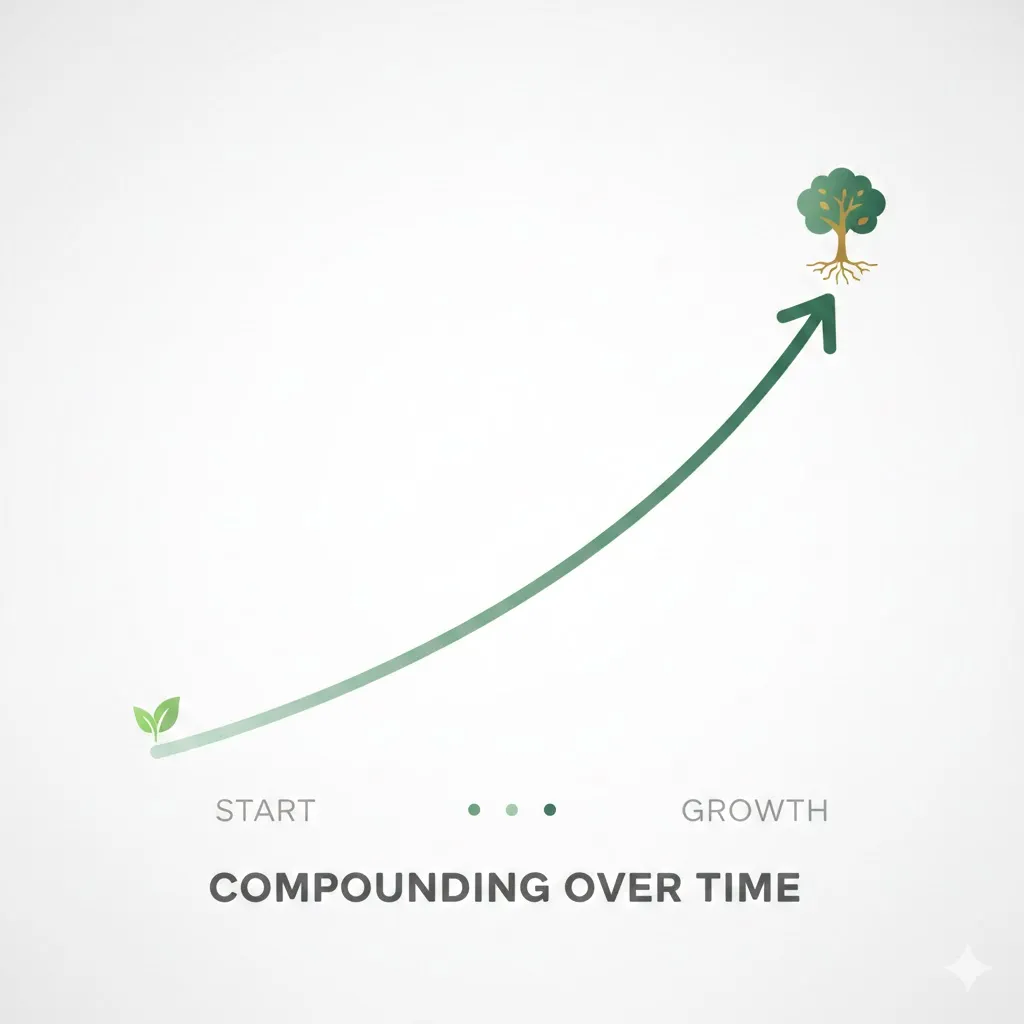
Still, many people delay because they think they need a lot of money to start. However, the biggest advantage in retirement investing is not a perfect strategy. It’s time. Even small contributions can grow into something meaningful when you stay consistent.
For example, someone who invests a modest amount every month in their 20s often ends up ahead of someone who invests more later but starts late. That’s why starting now matters more than starting “big.”
What Retirement Investing Really Means
Retirement investing means putting money into assets that can grow over time, so you can use that money later in life.
Most people invest for retirement through:
- workplace plans like a 401(k)
- individual retirement accounts (IRAs)
- taxable brokerage accounts
- diversified funds such as index funds or target-date funds
The goal is simple: grow your money while managing risk.
If you’re balancing big financial goals, pairing this with a family budgeting guide can help you invest consistently without stressing your monthly budget.
The Biggest Retirement Investing Mistakes
Many people don’t fail because they pick the wrong fund. They fail because they stop, panic, or overcomplicate.
Waiting too long to start
Time is your strongest advantage. Delaying makes the journey harder.
Trying to “trade” your retirement
Fast trading may look exciting. However, retirement investing works best when it’s steady and boring.
Investing without an emergency fund
Without a cash buffer, you may be forced to sell investments at a bad time.
Taking too much risk too late
Risk is not always bad. Still, the closer you are to retirement, the more stability matters.
Real-life micro-scenario:
A 45-year-old invests aggressively with no emergency fund. A job loss forces them to sell during a market dip. The strategy wasn’t the problem—the lack of planning was.

Retirement Investing Options That Make Sense in 2026
You don’t need a complicated portfolio. Most people do well with simple building blocks.
Target-date funds
These automatically adjust risk as you age. They’re popular because they reduce decision fatigue.
Index funds
Index funds spread risk across many companies. They often have low fees and long-term reliability.
Bonds and bond funds
These can reduce volatility and help stabilize a portfolio, especially as retirement gets closer.
Dividend-focused funds
Some investors like dividend strategies for income. Still, dividends are not guaranteed and shouldn’t be the only plan.
The key is diversification. That means you’re not depending on one stock, one sector, or one trend.
Retirement Investing vs High Risk Trading
| Feature | Retirement Investing | High Risk Trading |
|---|---|---|
| Time horizon | Long-term | Short-term |
| Main goal | Steady growth | Fast gains |
| Risk approach | Managed | Often aggressive |
| Stress level | Lower | Higher |
| Best tool | Diversified funds | Leverage products |
This is why many people keep retirement investing separate from “fun” trading accounts. Retirement should feel calm.
How Much Should You Invest for Retirement
There’s no one perfect number. Still, many people aim for consistent contributions they can maintain.
A helpful approach is:
- start with a small percentage
- increase gradually each year
- prioritize consistency over perfection
Real-life micro-scenario:
A worker starts by investing 5% of their paycheck. The next year, they raise it to 6%. Over time, this becomes a strong habit without feeling painful.
The best plan is the one you can stick to.
Pro Insight
The most successful retirement investors aren’t the ones who time the market perfectly. They’re the ones who keep investing during boring months and scary months alike.
A Simple Retirement Investing Plan You Can Follow
Here’s a clean structure many people use:
Step 1 Build a small emergency fund
This protects your investments from sudden life expenses.
Step 2 Capture employer match
If your workplace offers a match, that’s often one of the easiest wins.
Step 3 Use diversified funds
Choose broad index funds or a target-date fund to avoid overthinking.
Step 4 Stay consistent
Investing regularly smooths out market ups and downs over time.
If you want a steady plan, a financial planning checklist can help you stay organized and avoid missed steps.

Quick Tip
Automate your retirement contributions. It removes emotion and helps you stay consistent even when life gets busy.
FAQs About Retirement Investing
Is it too late to start retirement investing?
No. Starting later may require higher contributions, but it’s still worth doing.
Should I invest even if I have debt?
It depends on the debt type and interest rate. Many people balance both, especially if there’s an employer match available.
What’s the safest retirement investment?
There’s no risk-free option. However, diversified portfolios and time-tested funds can reduce risk over time.
How often should I check my retirement account?
Many investors check monthly or quarterly. Checking daily can increase stress and bad decisions.
Can I retire early with investing?
Some people do, but it depends on income, savings rate, and lifestyle goals. There are no guarantees.
Disclaimer
This article is for general informational purposes only and does not provide financial, legal, or investment advice. Investing involves risk, including possible loss of principal.