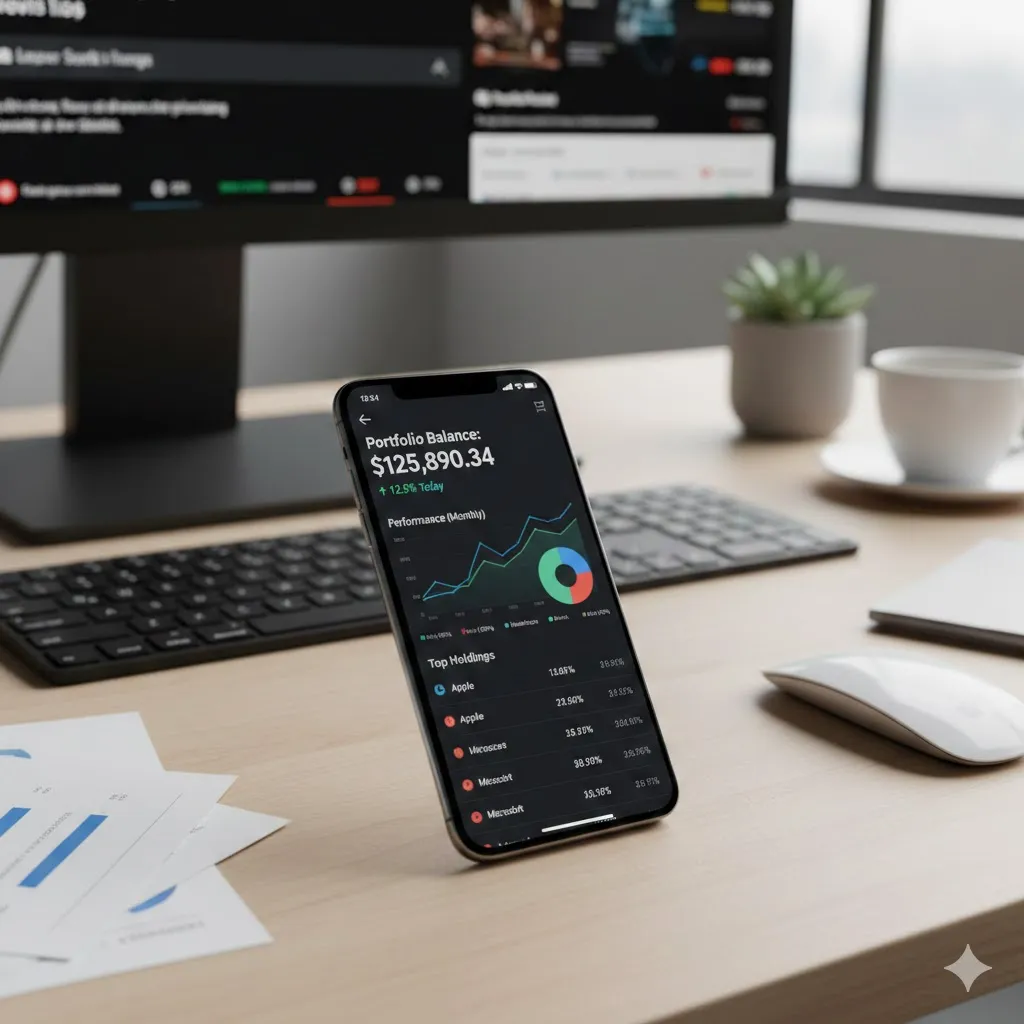

Portfolio Rebalancing That Protects Long-Term Growth
Portfolio rebalancing sounds technical, but it’s one of the simplest ways to protect long-term investing discipline. In 2026, with markets swinging faster and headlines amplifying volatility, rebalancing keeps your allocation aligned with your original plan—without guessing where markets go next.
It’s not about chasing returns. It’s about maintaining structure.
This article is for general informational purposes only and does not provide financial, investment, or tax advice. All investing involves risk, and results vary based on market conditions and personal strategy.
What portfolio rebalancing really means
Portfolio rebalancing is the process of restoring your asset allocation to its original target percentages. Over time, certain investments outperform others, causing your allocation to drift.
For example, an investor in Illinois started with a 60% stock and 40% bond allocation. After a strong equity rally, stocks grew to 72% of the portfolio. Without rebalancing, the risk level quietly increased beyond the original comfort zone.
Rebalancing brings the portfolio back to its intended structure.

Why rebalancing matters during volatility
Markets don’t grow evenly. Stocks may surge one year while bonds lag. The opposite can happen during downturns.
Rebalancing enforces discipline by trimming outperforming assets and adding to underperforming ones. It’s systematic—not emotional.
A long-term investor in Colorado rebalanced during a market dip, increasing bond exposure. Months later, the diversified structure reduced overall volatility compared to an unbalanced portfolio.
If your site includes asset allocation or risk tolerance guides, internal linking fits naturally here.
Common portfolio rebalancing approaches
Investors use several methods to rebalance:
- Calendar-based: Rebalance quarterly or annually
- Threshold-based: Rebalance when allocations drift beyond a set percentage (e.g., 5%)
- Hybrid approach: Combine calendar reviews with threshold triggers
- Automated rebalancing: Offered by robo advisors and retirement plans

Comparing rebalancing strategies
Different strategies suit different investor personalities.
| Rebalancing Method | Best For | Monitoring Level | Flexibility |
|---|---|---|---|
| Annual review | Long-term investors | Low | Moderate |
| Quarterly review | Active planners | Medium | High |
| Threshold-based | Risk-focused investors | Medium | High |
| Automated system | Hands-off investors | Very low | Moderate |
Pro Insight
Rebalancing isn’t about maximizing gains—it’s about controlling risk. Investors who ignore drift often take on more risk than they realize.
Quick Tip
Avoid rebalancing too frequently. Over-adjusting can increase transaction costs and reduce long-term efficiency.
Tax considerations in rebalancing
Selling appreciated assets in taxable accounts may trigger capital gains taxes. Many investors rebalance inside tax-advantaged accounts first, where possible.
A couple in Texas reduced unnecessary tax exposure by prioritizing rebalancing inside their retirement accounts before adjusting taxable portfolios.
Internal links to tax-aware investing or retirement planning guides fit naturally here.

FAQs
What is portfolio rebalancing?
It’s the process of adjusting investments to maintain your original asset allocation.
How often should I rebalance?
Many investors review annually or when allocations drift by 5% or more.
Does rebalancing improve returns?
Its primary purpose is risk control, though it can enhance long-term consistency.
Is rebalancing necessary for diversified portfolios?
Yes. Diversification can drift over time without maintenance.
Do robo advisors handle rebalancing?
Most robo platforms include automatic rebalancing features.
Conclusion
Portfolio rebalancing keeps your investment strategy aligned with your risk tolerance and long-term goals. By correcting drift systematically rather than emotionally, you maintain discipline through market cycles. It’s a quiet but powerful practice that supports sustainable wealth building.
Trusted U.S. Resources
- U.S. Securities and Exchange Commission (SEC): https://www.sec.gov
- FINRA Investor Education: https://www.finra.org
- Vanguard Investor Research: https://investor.vanguard.com