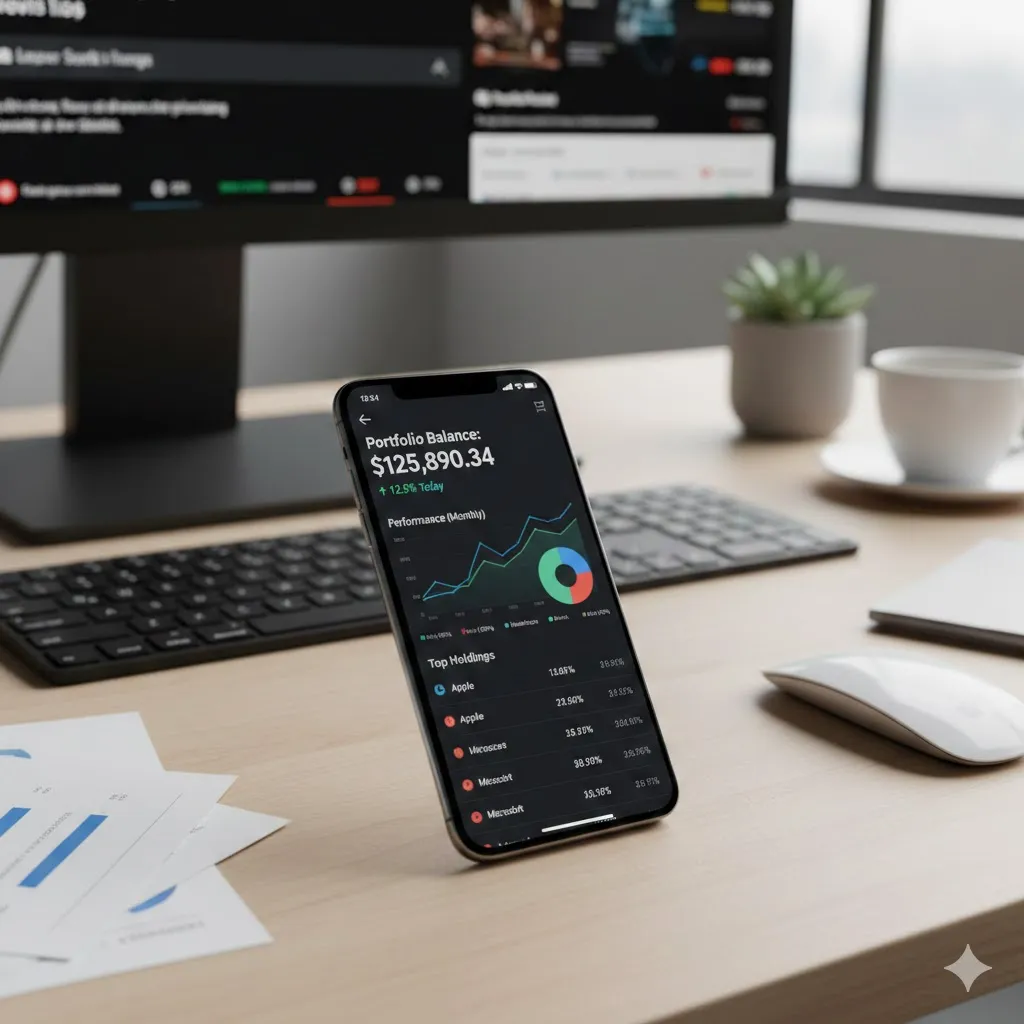

Personal finance is not about being wealthy — it’s about being in control. In 2026, rising living costs, digital spending habits, and shifting interest rates make financial clarity more important than ever.
However, strong personal finance habits aren’t complicated. They’re consistent. The goal isn’t perfection. It’s progress.
Whether you’re building savings, paying off debt, or planning long-term investments, the right structure can change your financial direction dramatically.
This article is for general informational purposes only and does not provide legal, financial, medical, or professional advice. Policies, rates, and regulations may change over time.
Build a Foundation With Smart Budgeting
Personal finance begins with understanding your cash flow.
Track Income and Expenses Clearly
Start with a simple monthly breakdown:
- Fixed expenses (rent, insurance, utilities)
- Variable expenses (food, gas, entertainment)
- Savings and investments
For example, a young professional earning $4,500 per month might discover $600 in untracked subscription spending — small leaks that quietly drain long-term savings potential.
Digital budgeting apps in 2026 automatically categorize transactions, making this process easier than ever.

Create an Emergency Fund First
Before investing aggressively, build stability.
Financial planners often suggest saving three to six months of essential expenses. This buffer protects you from:
- Job loss
- Medical bills
- Unexpected car repairs
Meanwhile, high-yield savings accounts in 2026 offer more competitive rates compared to traditional checking accounts, helping your emergency fund grow modestly while staying accessible.
Manage Debt Strategically
Not all debt is equal.
| Debt Type | Risk Level | Strategy Focus |
|---|---|---|
| Credit Card | High | Pay aggressively |
| Personal Loan | Moderate | Fixed payoff plan |
| Auto Loan | Moderate | Maintain schedule |
| Mortgage | Long-term | Balance with investing |
High-interest debt, especially credit cards, should typically be prioritized. For instance, paying off a 22% interest credit card balance often provides a higher guaranteed return than most investment options.
Pro Insight
Automating savings removes emotion from the equation. Setting automatic transfers to savings or investment accounts immediately after payday increases long-term financial consistency.
Invest With Long-Term Discipline
Investing builds wealth over time — but discipline matters more than timing.
Diversification Reduces Risk
Spreading investments across asset classes helps manage volatility.
Avoid Emotional Decisions
Market downturns can trigger panic. However, long-term investors who maintain diversified portfolios often recover over time.
For example, investors who stayed invested during past market corrections historically benefited from subsequent rebounds — though past performance never guarantees future results.

Protect What You Build
Financial growth means little without protection.
- Health insurance
- Auto and homeowners insurance
- Life insurance (if supporting dependents)
- Identity theft monitoring
In 2026, digital identity protection is increasingly relevant as online financial activity expands.

Quick Tip
Review your credit report at least once per year through authorized U.S. channels to ensure accuracy and detect potential fraud early.
Frequently Asked Questions
How much should I save each month?
Many experts recommend saving at least 20% of income when possible, though individual circumstances vary.
Is investing risky?
All investments carry risk, but diversification and long-term strategies can help manage volatility.
Should I pay off debt before investing?
High-interest debt is often prioritized before aggressive investing.
How important is a credit score?
Credit scores influence loan approvals, interest rates, and even insurance pricing in some cases.
What’s the biggest mistake in personal finance?
Ignoring spending patterns. Awareness is the foundation of improvement.
Conclusion
Personal finance in 2026 is less about complex strategies and more about disciplined habits. Budget clearly. Build emergency savings. Reduce high-interest debt. Invest steadily. Protect your progress.
Small, consistent actions create powerful long-term results. Financial strength grows step by step — not overnight.
Trusted U.S. Resources
Consumer Financial Protection Bureau (CFPB)
https://www.consumerfinance.gov/
Federal Trade Commission (FTC) – Consumer Protection
https://consumer.ftc.gov/
U.S. Securities and Exchange Commission (SEC) – Investor Education
https://www.sec.gov/
USA.gov – Financial and Consumer Services
https://www.usa.gov/