

Payout ratio looks simple on paper. One number. One formula. Yet it’s one of the most misunderstood metrics in income investing. Some investors see a high payout ratio and panic. Others see a low one and assume safety.
In 2025, payout ratio matters more than ever—because dividends are no longer judged only by size, but by sustainability. Understanding this ratio properly can separate durable income from future disappointment.
Disclaimer: This article is for educational purposes only and does not provide financial, investment, legal, or tax advice. Dividends are not guaranteed.
What Payout Ratio Really Measures
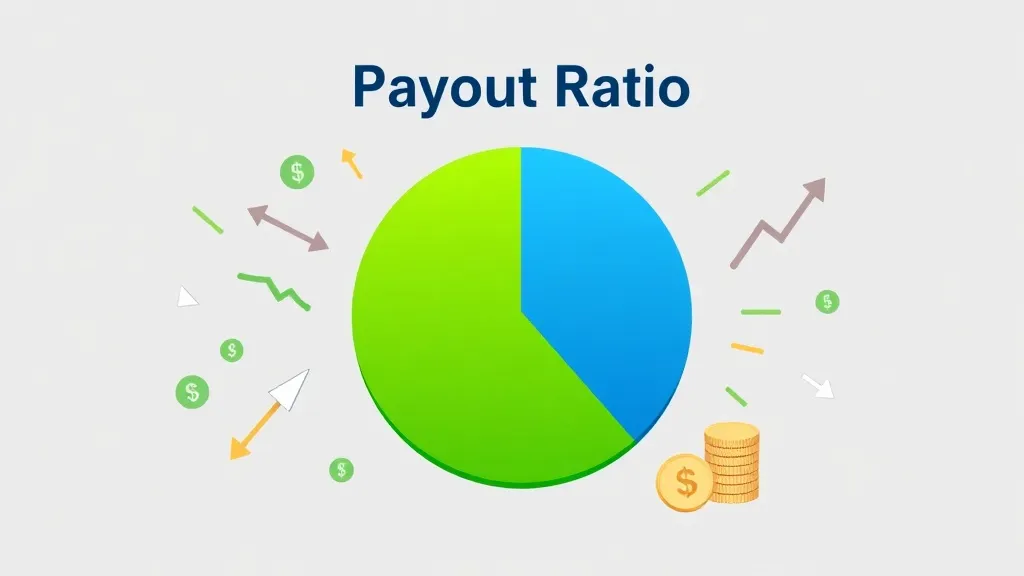
Payout ratio shows how much of a company’s earnings are paid out as dividends.
In simple terms:
If a company earns money, how much does it give back to shareholders—and how much does it keep to run and grow the business?
A common example:
A company earns $10 per share and pays $4 in dividends. The payout ratio is 40%. The remaining 60% stays inside the business.
Payout ratio is less about generosity and more about balance.
Why Payout Ratio Matters to Investors
Payout ratio answers a critical question: Is this dividend built to last?
It matters because:
- Very high ratios may signal limited room for growth
- Very low ratios may signal underutilized capital
- Changes over time often reveal stress or confidence
Payout ratio doesn’t predict the future—but it often reveals pressure before dividends change.
Different Types of Payout Ratios
Not all payout ratios measure the same thing.
Earnings-Based Payout Ratio
Uses net income. Most common—and most misleading during volatile earnings periods.
Free Cash Flow Payout Ratio
Uses cash flow instead of accounting earnings. Often more reliable for dividend safety.
Adjusted Payout Ratios
Used by REITs and MLPs with specialized accounting metrics.
Context matters. Always know which version you’re looking at.
What Is a “Good” Payout Ratio?
There is no universal perfect number.
| Company Type | Typical Healthy Range |
|---|---|
| Growth Companies | 20% – 40% |
| Mature Dividend Stocks | 40% – 60% |
| Utilities | 60% – 80% |
| REITs | Often higher due to structure |
A “safe” payout ratio depends on business stability, not just math.
High vs Low Payout Ratio: What Each Signals
High payout ratios:
- Deliver higher immediate income
- Leave less margin for downturns
- Can limit dividend growth
Low payout ratios:
- Allow reinvestment and growth
- Provide dividend flexibility
- May indicate conservative management
Neither is automatically good or bad—it’s about fit.
Pro Insight
The most reliable dividend growers often sit in the middle range, where payouts reward shareholders without starving the business.
Common Payout Ratio Mistakes
These errors distort decision-making.
Judging a ratio in isolation
Trends matter more than snapshots.
Ignoring cash flow
Dividends are paid with cash, not earnings.
Comparing across sectors blindly
Different industries require different payout levels.
Assuming low means safe
A low payout doesn’t guarantee commitment to dividends.
Quick Tip
Always compare a company’s payout ratio to its own history, not just industry averages.
Payout Ratio and Dividend Growth
Payout ratio and dividend growth are closely linked.
- Lower ratios leave room for future increases
- Rising ratios without earnings growth raise risk
- Stable ratios with growing earnings signal health
Dividend growth is rarely accidental—it’s usually supported by disciplined payout management.
Who Should Care Most About Payout Ratio
Payout ratio matters most for:
- Income investors
- Dividend growth investors
- Retirees relying on cash flow
It matters less—but still matters—for:
- Short-term traders
- Non-dividend-focused investors
If dividends are part of your strategy, payout ratio is not optional knowledge.
Tax Perspective (U.S.)
Payout ratio doesn’t affect how dividends are taxed—but it influences dividend reliability, which affects planning.
Tax disclaimer: This is not tax advice. Dividend taxation depends on income level, account type, and IRS rules.
Frequently Asked Questions About Payout Ratio
Is a high payout ratio always bad?
No. Stable businesses can sustain higher ratios.
Can payout ratio exceed 100%?
Yes, temporarily—but it’s usually a warning sign.
Which payout ratio is best for dividend growth?
Moderate ratios with earnings growth tend to work best.
Do REITs have higher payout ratios?
Yes, due to their legal structure.
Should I avoid low payout ratios?
Not necessarily. Context and strategy matter.
Conclusion: Payout Ratio Is a Signal, Not a Verdict
Payout ratio doesn’t tell you whether to buy or sell. It tells you how a company balances today’s income with tomorrow’s survival. In 2025, that balance matters more than headline yields.
Smart income investors don’t chase the highest payout.
They look for the most sustainable one.
When dividends last, patience pays.
Authoritative Sources
- U.S. Securities and Exchange Commission — usa.gov
- Consumer Financial Protection Bureau — consumerfinance.gov
- Internal Revenue Service — irs.gov
- U.S. Census Bureau — census.gov