
Learn the real options risk in 2026, why losses happen faster than expected, and how traders manage exposure with smarter strategies.
Options trading looks controlled on the surface. Defined contracts. Clear dates. Known prices. However, options risk often hides in places traders don’t expect—time decay, volatility shifts, and emotional decisions made too late.
Many traders focus only on direction. Still, options don’t just care about where price goes. They care how fast, how far, and how the market feels while it moves. That’s why someone can be right on direction and still lose money.
For example, a trader buys a call option expecting a stock to rise. The stock goes up slowly, but the option still loses value. The risk wasn’t price—it was time.
What Options Risk Really Means
Options risk is the possibility of losing money due to factors beyond simple price movement. Unlike stocks, options are affected by multiple variables at once.
The main sources of risk include:
- price movement (directional risk)
- time decay
- volatility changes
- leverage exposure
- liquidity and execution issues
Because of this, options behave more like probability tools than simple bets.
If you’re new to derivatives, reading a derivatives trading overview can help frame how options differ from futures and spot trades.

The Most Common Options Risks Traders Face
Directional risk
This is the obvious one. If the market moves against your position, the option loses value.
However, options can lose even when price moves slightly in your favor. That’s where other risks come in.
Time decay risk
Options lose value as expiration approaches. This is known as theta decay.
Real-life micro-scenario:
A trader buys a call option with two weeks left. The stock doesn’t move much for several days. Even without a price drop, the option value declines because time is running out.
Time is always working against option buyers.
Volatility risk
Options are priced based on expected volatility. If volatility drops, option prices can fall—even if price direction stays favorable.
This often surprises new traders after earnings or major news events.
Leverage Makes Options Risky Faster
Options offer built-in leverage. A small price move can create large percentage gains—or losses.
That leverage cuts both ways:
- small mistakes feel bigger
- losses can reach 100% of premium paid
- emotions escalate faster
This is why position sizing matters so much. Many traders reduce risk by using smaller allocations per trade.
If leverage products interest you, comparing options with 3x ETFs or high risk trading strategies can clarify risk differences.
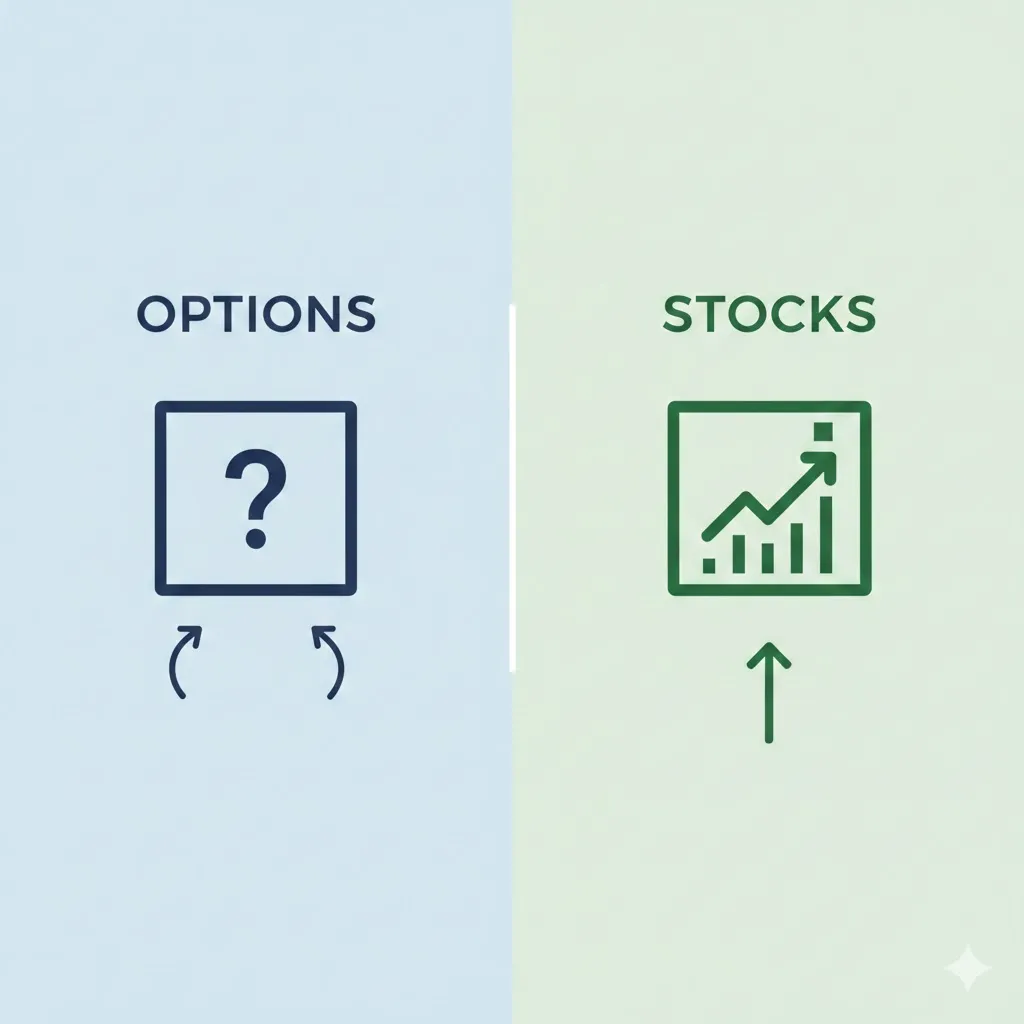
Options vs Stock Risk Comparison Table
| Feature | Options Trading | Stock Trading |
|---|---|---|
| Max loss | Limited to premium (buyers) | Depends on price move |
| Time decay | Yes | No |
| Volatility impact | High | Low |
| Complexity | Higher | Lower |
| Learning curve | Steep | Moderate |
This table explains why options reward preparation but punish guesswork.
Assignment and Liquidity Risk
Options carry risks beyond price charts.
Assignment risk
Some options can be exercised early. This can create unexpected stock positions or margin requirements.
Liquidity risk
Thinly traded options may have wide bid-ask spreads. That means:
- worse entries
- harder exits
- unexpected losses even on good ideas
These risks often show up during fast markets or near expiration.
Pro Insight
Many consistent options traders focus more on managing time and volatility than predicting price. Direction matters—but it’s only one piece of the puzzle.
Smart Ways to Reduce Options Risk
You don’t need to avoid options entirely. However, you do need structure.
Use defined-risk strategies
Spreads limit both risk and reward. They reduce exposure to volatility and time decay.
Avoid overtrading
More trades don’t mean better results. Fewer, higher-quality setups often perform better.
Respect expiration dates
Know exactly how much time you’re buying or selling. Time is never neutral.
Size positions conservatively
Losing 100% of a small premium is survivable. Losing it repeatedly at large size is not.
Pairing options trading with a risk management checklist mindset helps keep emotions in check—even in fast markets.

Quick Tip
If you’re unsure how an option will react, assume time decay and volatility will work against you. This mindset prevents overconfidence.
FAQs About Options Risk
Can you lose more than you invest in options?
Option buyers usually can’t lose more than the premium paid. Sellers may face higher risk depending on strategy.
Why do options lose value even when price moves correctly?
Time decay and volatility changes can reduce option value despite favorable price movement.
Are options riskier than stocks?
They are more complex. Risk depends on strategy, position size, and understanding of option mechanics.
What is the biggest risk for beginners?
Ignoring time decay and trading oversized positions.
Is options trading suitable for long-term investing?
Options are usually better suited for active strategies, hedging, or income—not passive investing.
Disclaimer
Trading involves risk and may result in losses. This content is for informational purposes only and does not provide financial or investment advice. Always assess your own risk tolerance.