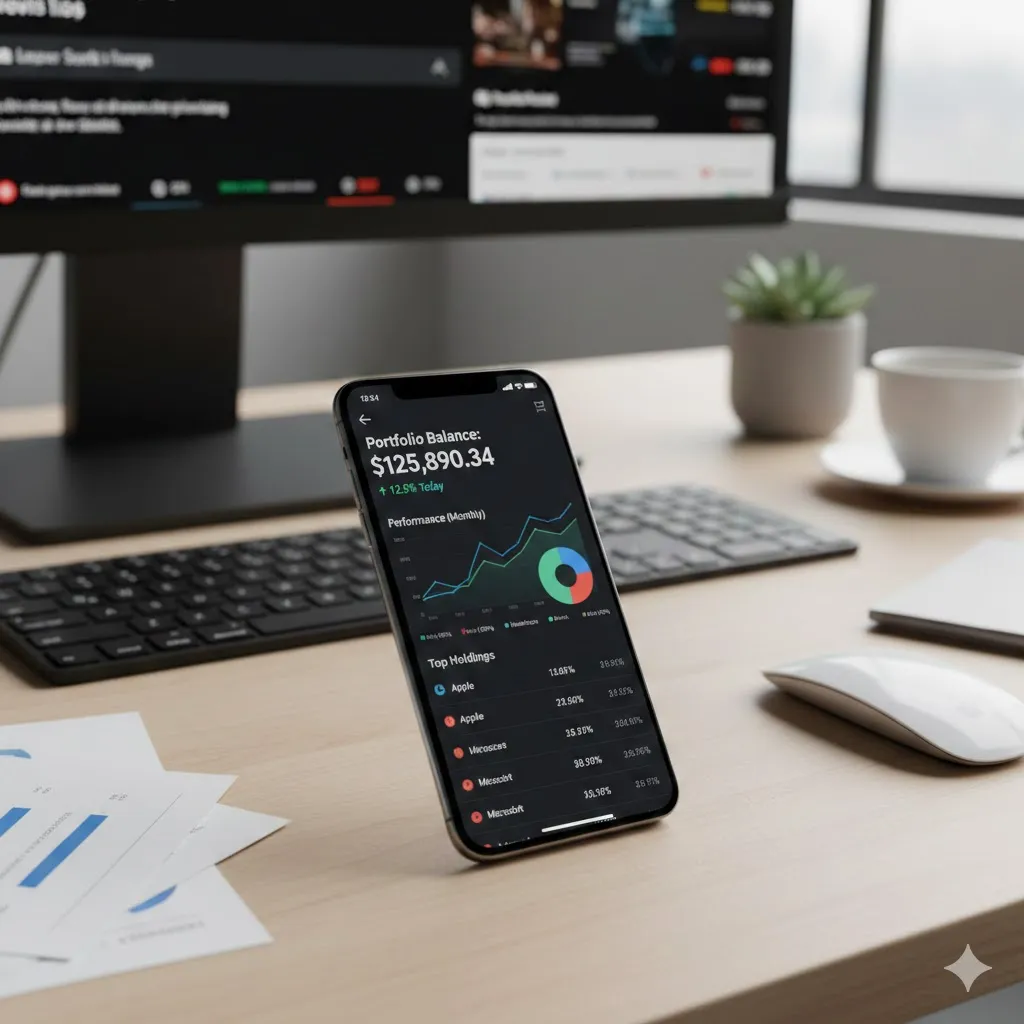

When it comes to building financial stability, the debate around investing vs saving is more relevant than ever. In 2026, with fluctuating interest rates and market volatility, knowing when to save and when to invest can shape your long-term financial success.
Both strategies serve different purposes. One protects your money. The other helps it grow. The key is understanding when to use each.
This article is for general informational purposes only and does not provide legal, financial, medical, or professional advice. Policies, rates, and regulations may change over time.
What Saving Really Means
Saving involves setting aside money in secure, easily accessible accounts. Common saving tools include:
- Savings accounts
- High-yield savings accounts
- Money market accounts
- Certificates of deposit (CDs)
The primary goal of saving is safety and liquidity.
For example, if your car needs urgent repairs or you face unexpected medical bills, funds in a savings account provide immediate access without market risk.

What Investing Involves
Investing means allocating money into assets designed to generate growth over time. Common investment vehicles include:
- Stocks
- Bonds
- Mutual funds
- ETFs
- Real estate
Unlike savings, investments fluctuate in value. Over long periods, diversified investments historically offer higher potential returns — but with greater short-term volatility.
For example, investing in a broad market index fund may grow wealth over decades, but values can decline during market downturns.
Investing vs Saving Comparison
| Feature | Saving | Investing |
|---|---|---|
| Risk Level | Low | Moderate to High |
| Liquidity | High | Varies |
| Return Potential | Lower | Higher long-term potential |
| Best For | Short-term goals | Long-term wealth |
| Market Volatility | No | Yes |
Each tool serves a distinct financial purpose.

When Saving Makes More Sense
Saving is ideal for:
- Emergency funds
- Short-term goals (1–3 years)
- Planned purchases
- Financial stability cushion
In 2026, high-yield savings accounts often offer competitive interest rates compared to prior years, making them attractive for short-term security.
When Investing Is the Better Choice
Investing is more appropriate for:
- Retirement planning
- Long-term wealth building
- Outpacing inflation
- Growing excess capital
For instance, someone in their 30s investing consistently for retirement has decades to ride out market fluctuations and benefit from compounding.
Pro Insight
A strong financial plan uses both saving and investing. An emergency fund protects you from withdrawing investments during downturns — preserving long-term growth potential.
The Inflation Factor
Inflation gradually reduces purchasing power.
Savings accounts may not always keep pace with inflation over long periods. Investments, while riskier, are designed to grow beyond inflation over time.
Balancing both protects current stability while building future value.

Building a Balanced Strategy
A practical structure may include:
- Build a 3–6 month emergency fund
- Pay down high-interest debt
- Invest consistently for long-term goals
- Maintain liquidity for short-term needs
The balance depends on your income, age, risk tolerance, and financial objectives.
Quick Tip
Before investing, ensure your emergency fund is fully funded. This reduces the need to sell investments during market downturns.
Frequently Asked Questions
Is saving safer than investing?
Yes. Savings accounts typically carry minimal risk compared to market investments.
Can I lose money investing?
Yes. Investment values fluctuate and may decline, especially in the short term.
Should I save or invest first?
Start with emergency savings, then shift excess funds toward long-term investments.
Do I need both?
Most financial plans benefit from both liquidity and growth.
Does investing guarantee higher returns?
No. Markets involve risk, and past performance does not guarantee future results.
Conclusion
The question of investing vs saving isn’t about choosing one over the other — it’s about using each strategically. Saving protects your financial foundation. Investing builds long-term wealth.
In 2026, the smartest approach blends stability with growth. Protect today. Build for tomorrow.
Trusted U.S. Resources
U.S. Securities and Exchange Commission (SEC) – Investor Education
https://www.sec.gov/
Consumer Financial Protection Bureau (CFPB) – Saving and Budgeting Tools
https://www.consumerfinance.gov/
Federal Deposit Insurance Corporation (FDIC) – Deposit Insurance Information
https://www.fdic.gov/
USA.gov – Financial Services and Benefits
https://www.usa.gov/