

Investing apps have revolutionized how people build portfolios. In 2026, mobile and web platforms offer low-cost access to stocks, ETFs, fractional shares, and automated tools that were once limited to professionals. But with choice comes complexity—choosing the right app can shape your investing experience for years.
This guide highlights practical things serious investors consider—not just flashy features.
This article is for general informational purposes only and does not provide financial, investment, or tax advice. App availability, features, and fees vary widely by provider and account type.
Why investing apps matter today
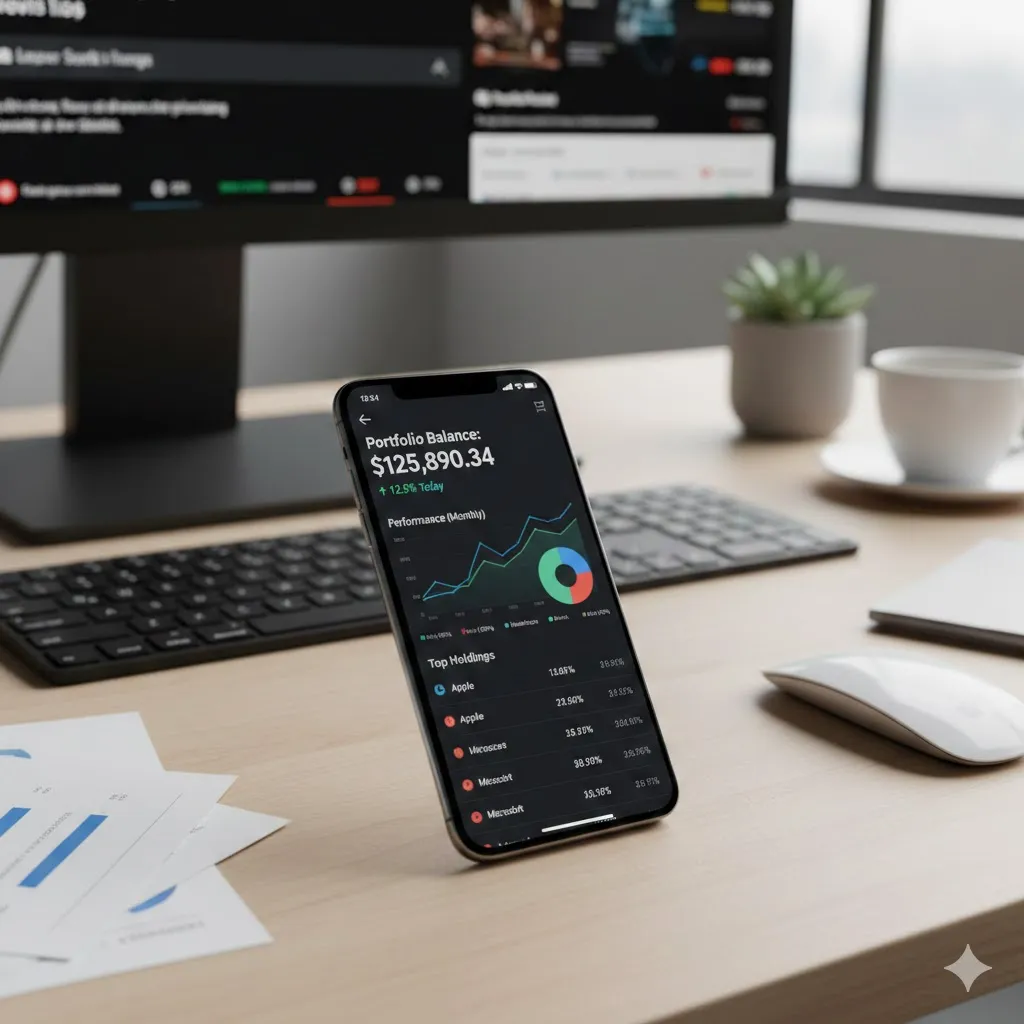
Investing apps put markets in your pocket. Gone are the days of high account minimums and broker calls just to place an order. Today’s apps balance accessibility with tools that support long-term discipline—whether you’re a beginner or a seasoned investor.
A young professional in Seattle shifted from reactive trading to scheduled automatic contributions through an app. The biggest change wasn’t returns—it was consistency.
What to look for in an investing app
Not all investing apps are equal. When comparing options, consider:
- Fees and commissions: Lower costs preserve long-term gains
- Investment selection: Stocks, ETFs, fractional shares, bonds
- Tools and education: Research, screeners, analytics
- Automation: Recurring investments, robo-advice
- Security and regulation: SIPC/FDIC protections and encryption
Internal links to your guides on asset allocation or long-term investing help readers make smarter choices here.
Core types of investing apps
Different apps serve different investing styles.
Self-Directed Trading Apps
For hands-on traders who want direct control over every trade and investment.
Robo-Advisor Apps
Automate asset allocation and rebalancing based on risk goals, ideal for hands-off investors.
Hybrid Platforms
Offer both self-directed trading and automated options—useful if you want flexibility.
Niche / Thematic Apps
Focus on specific strategies like ESG, dividend investing, or crypto.

Comparing popular investing app features
This snapshot helps clarify trade-offs at a glance.
| Feature | Self-Directed App | Robo-Advisor App | Hybrid Platform |
|---|---|---|---|
| Control level | Very high | Low | Medium |
| Ease of use | Medium | Very high | High |
| Cost | Varies | Generally low | Moderate |
| Automation | Optional | Built-in | Optional |
| Best for | Active traders | Passive investors | Balanced approach |
Pro Insight
Low fees matter over decades. Even a 0.50% difference in annual costs can materially affect long-term growth due to compounding.
Quick Tip
If your investing app offers fractional shares, use them to build diversified positions with small contributions instead of waiting to save large amounts for full shares.
Security and compliance you should verify
Your money must be protected.
Check that the app uses:
- SIPC or FDIC protections where applicable
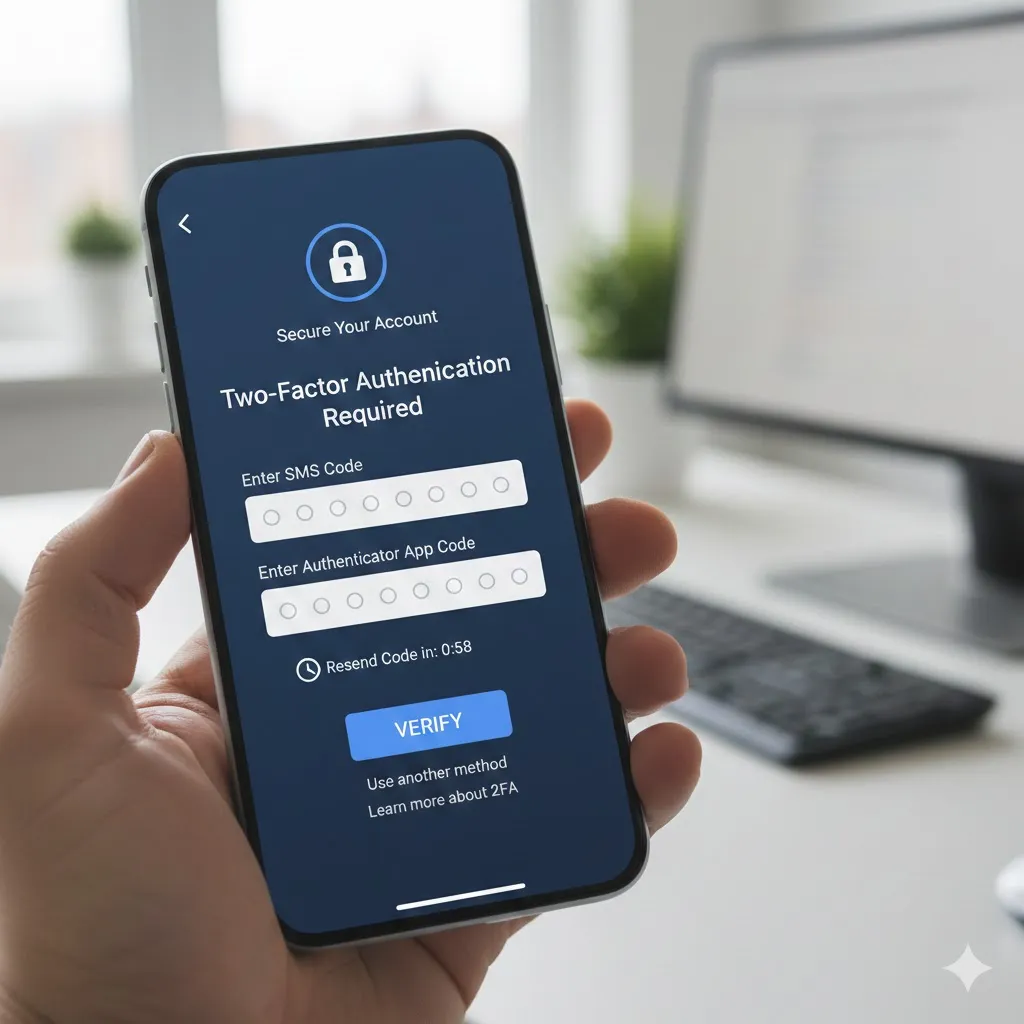
- Two-factor authentication
- Strong encryption and biometric login
A secure app protects your account, but good personal habits (strong passwords, updated software) are your first line of defense.
FAQs
Are investing apps safe?
Yes, when they use regulated brokerage partners and security best practices—but all investing involves risk.
Do investing apps charge commissions?
Many offer zero-commission trades, but underlying fees like fund expense ratios still apply.
Can beginners use investing apps?
Absolutely. Many apps include guided onboarding and education tools.
Do apps offer retirement accounts?
Many do—IRA, Roth IRA, and sometimes 401(k) integration.
Should I use more than one app?
Some investors diversify tools—using one app for self-directed trades and another for automated portfolios.
Conclusion
Investing apps bring markets within reach, but the smartest users look beyond logos to evaluate fees, tools, and long-term suitability. Whether you want hands-on control, automated discipline, or a mix of both, there’s an app that can support your goals—with thoughtful choices and consistent strategy.
Trusted U.S. Resources
- U.S. Securities and Exchange Commission (SEC): https://www.sec.gov
- FINRA Investor Education: https://www.finra.org
- U.S. Federal Trade Commission (FTC) – Smart Investing: https://www.ftc.gov