


Buying stocks in 2025 is easier than ever—but doing it correctly is what actually builds long-term wealth. Whether you’re starting with $10 or building your first retirement portfolio, this guide walks you step-by-step through how to buy stocks safely, confidently, and strategically.
For informational purposes only — not financial or legal advice.
What Does It Mean to Buy Stocks?
Buying a stock means purchasing a share of ownership in a company.
When the company grows, your investment grows. If it pays dividends, you receive part of the company’s profit.
Stocks are used for:
- Building wealth
- Saving for retirement
- Diversifying investments
- Beating inflation
Historically, U.S. stocks return 7%–10% annually over long periods—making them one of the strongest long-term investment vehicles.

Step-by-Step: How to Buy Stocks in the U.S. (2025)
Step 1 — Choose a Trusted Brokerage
A brokerage is the platform you use to buy stocks.
Best beginner options:
- Fidelity — strong tools, zero commissions
- Charles Schwab — fantastic research & support
- Vanguard — best for long-term index fund investors
- Robinhood — simple interface
- E*TRADE — great for active traders
Look for:
- No account minimums
- Fractional shares
- Low trading fees
- Easy mobile app
Step 2 — Open and Verify Your Account
You’ll provide:
- Name & address
- Social Security number
- Government ID
This is standard for tax and security compliance.
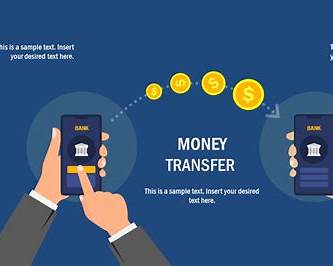
Step 3 — Fund Your Account
You can deposit money using:
- Bank transfer (ACH)
- Direct deposit
- Wire transfer
ACH is most common and usually free.
You can start buying stocks with as little as $1 thanks to fractional shares.
Step 4 — Decide What Type of Stock to Buy
Beginners usually choose one of these:
1. Index Funds (Best for beginners)
Examples:
- S&P 500 ETF (VOO, SPY, IVV)
- Total Market ETF (VTI)
Benefits:
- Instant diversification
- Lower risk
- Strong long-term performance
2. Blue-Chip Stocks
Stable companies like Apple, Microsoft, Coca-Cola.
3. Growth Stocks
High-growth tech companies (Nvidia, Tesla, AI firms).
4. Dividend Stocks
Pay regular cash dividends.
Quick Tip:
90% of beginners should start with ETFs, then add individual stocks slowly.
Step 5 — Place Your Order
On your brokerage app, choose:
- The stock (example: AAPL for Apple)
- Number of shares or dollar amount
Then choose an order type:
Market Order
Buys instantly at current price.
Limit Order
Buys only at the price you choose.
Stop-Loss Order
Sells automatically if the price drops to your limit.
For beginners, simple market orders are usually fine.
Step 6 — Monitor and Manage Your Investments
You don’t need to check every day.
Smart habits:
- Review monthly or quarterly
- Reinvest dividends
- Stick to long-term goals
- Avoid emotional decisions
Stock investing is a marathon, not a sprint.
Beginner-Friendly Investing Strategies
1. Dollar-Cost Averaging (DCA)
Invest a fixed amount every week or month.
Benefits:
- Reduces emotional trading
- Smooths volatility
- Works great for long-term growth
2. Buy-and-Hold
Hold quality stocks for years.
This strategy outperforms most day traders.
3. Diversify Early
Mix ETFs + big companies for stability.
4. Avoid Day Trading
Beginners usually lose money trying to time the market.
Common Mistakes Beginners Must Avoid
❌ Buying meme stocks or hype coins
❌ Investing all money at once
❌ Ignoring fees and taxes
❌ Selling during downturns
❌ Putting 100% into one stock
❌ Expecting fast profits
Pro Insight:
The stock market rewards patience—not luck.
Comparison Table: Ways to Buy Stocks
| Method | Best For | Risk | Notes |
|---|---|---|---|
| Index Funds (ETFs) | Beginners | Low | Diversified & low-fee |
| Blue-Chip Stocks | Long-term investing | Medium | Stable companies |
| Dividend Stocks | Income seekers | Medium | Cash payouts |
| Growth Tech Stocks | Aggressive investors | High | Big potential swings |
| Fractional Shares | Small budgets | Low | Start with $1 |
Frequently Asked Questions
How much money do I need to buy stocks?
Most U.S. brokers let you start with $1 using fractional shares.
What is the safest stock for beginners?
Beginners usually start with S&P 500 ETFs, the most diversified and stable option.
Is it better to buy stocks or ETFs?
ETFs are safer for beginners. Stocks require research and carry more risk.
How often should I invest?
Weekly or monthly investing (DCA) is recommended for long-term stability.
Can beginners lose money?
Yes—but risk decreases significantly with diversification and patience.
External Authority Sources
https://www.consumerfinance.gov
https://www.usa.gov
https://www.census.gov