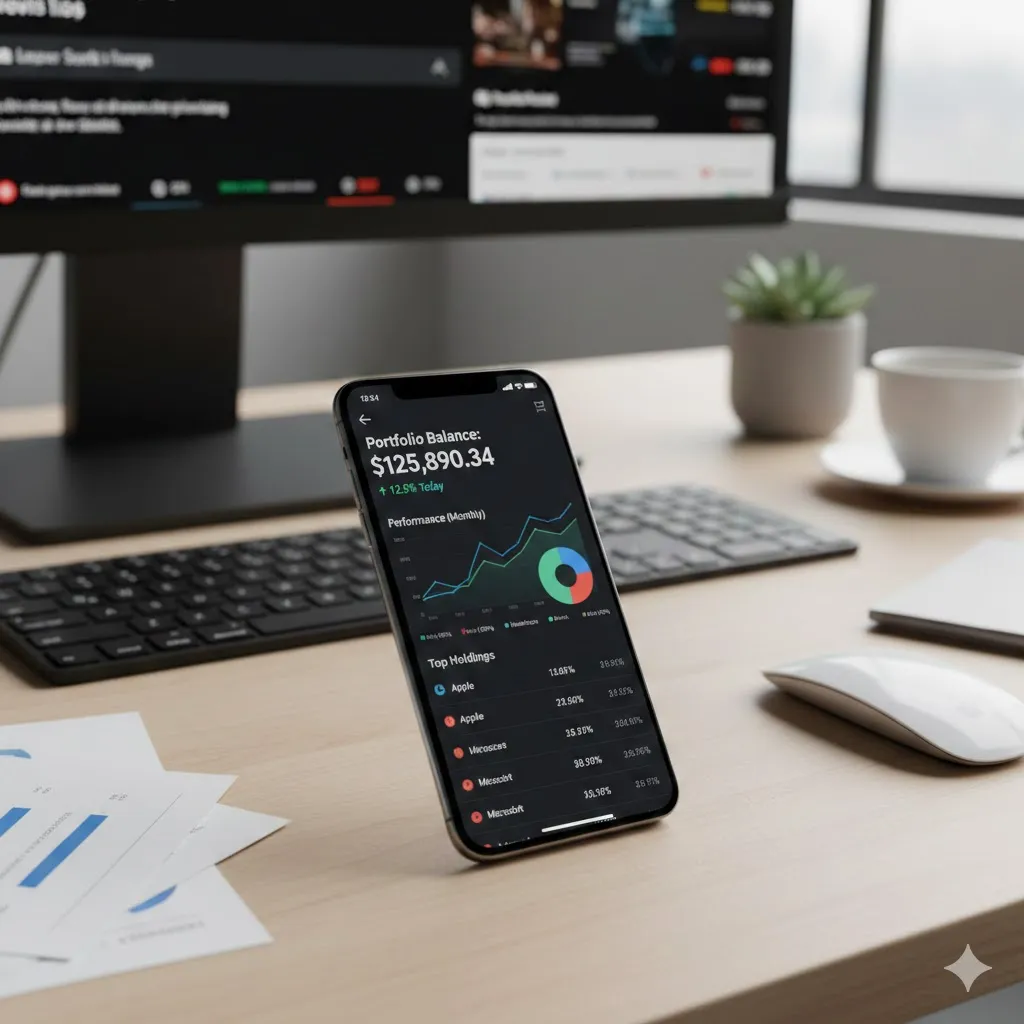

Hands-off investing sounds simple—set it and forget it. But in 2026, it’s more deliberate than that. True hands-off investing means building a structure that runs consistently without daily decisions, emotional reactions, or constant monitoring. It’s about removing friction while staying aligned with long-term goals.
When done correctly, it feels calm—not careless.
This article is for general informational purposes only and does not provide financial, investment, or tax advice. All investing involves risk, and outcomes vary based on market conditions and personal decisions.
Why hands-off investing appeals to modern investors
Time is limited, markets are noisy, and information overload is constant. Hands-off investing works because it reduces decision fatigue.
A project manager in Colorado used to check market apps multiple times a day. After switching to a hands-off approach with automated contributions and rebalancing, she stopped reacting to headlines and focused on long-term milestones instead.
The benefit wasn’t excitement. It was stability.
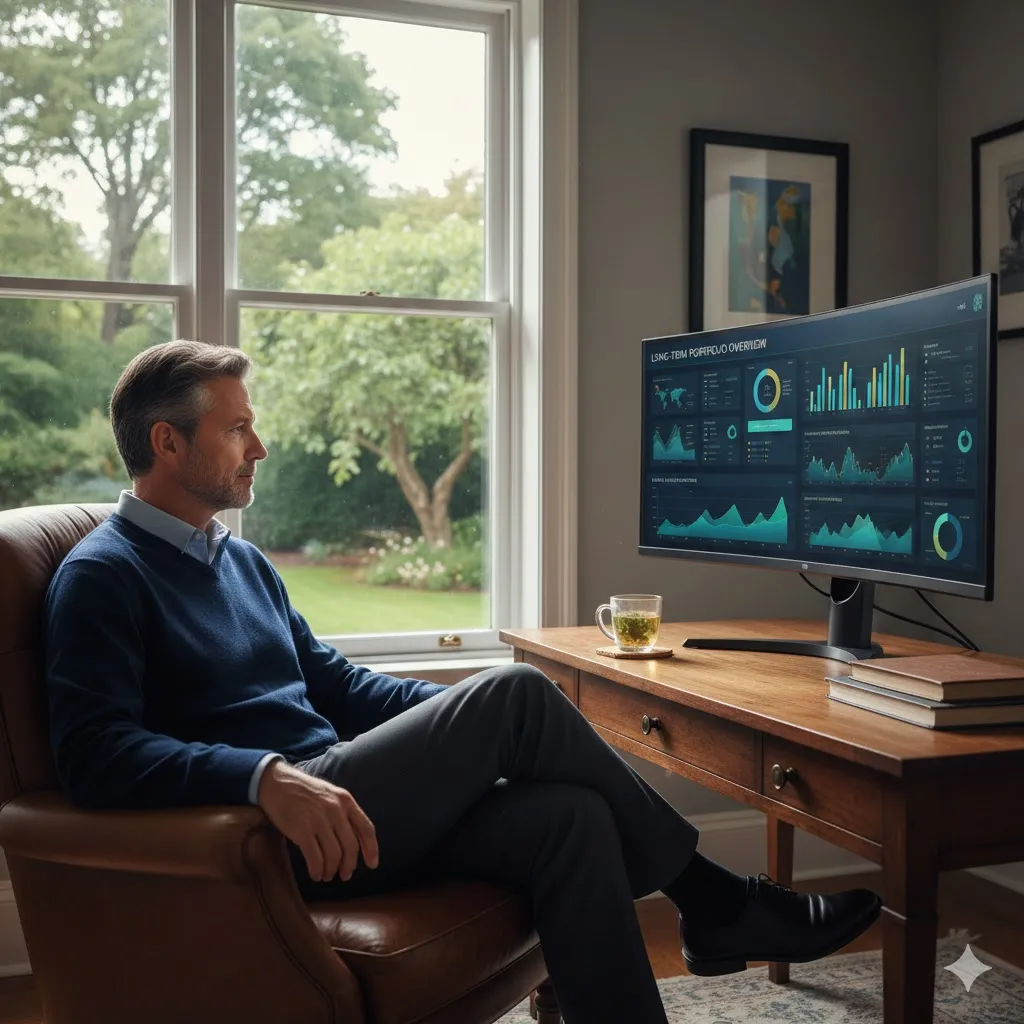
What hands-off investing actually involves
Hands-off doesn’t mean uninformed. It means decisions are made upfront, then automated.
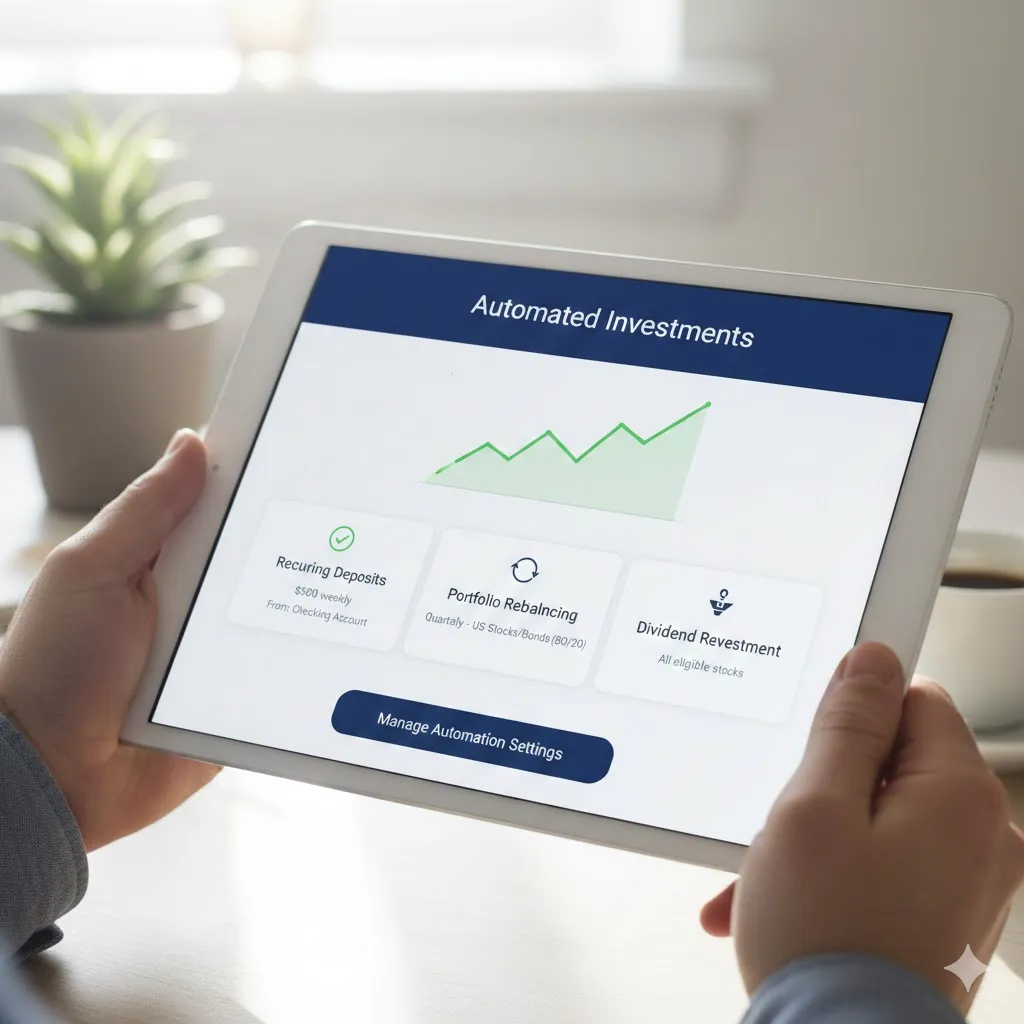
Core components often include:
- diversified asset allocation
- automated contributions
- periodic rebalancing
- dividend reinvestment
The structure runs in the background while life continues.
If your site includes guides on asset allocation or dollar-cost averaging, internal links fit naturally here to deepen context.
Discipline replaces timing
Hands-off strategies rely on time in the market, not market timing. Regular contributions smooth volatility without constant intervention.
Common hands-off investing approaches
Different investors use different tools to stay passive.
Some choose target-date funds. Others prefer robo advisors or automated ETF portfolios. The unifying principle is minimal manual trading.
Comparing hands-off investing methods
Each method offers a slightly different level of involvement.
| Approach | Best For | Monitoring Needed | Flexibility |
|---|---|---|---|
| Target-date funds | Retirement savers | Very low | Low |
| Robo advisors | Hands-off investors | Low | Medium |
| Automated ETF portfolio | DIY planners | Medium | High |
| Employer retirement plan | Employees | Very low | Low |
Pro Insight
The real power of hands-off investing is behavioral. Investors who avoid constant changes often outperform those who chase short-term trends.
Quick Tip
Schedule portfolio reviews once or twice a year—not weekly. Over-monitoring often leads to unnecessary adjustments.
What hands-off investing doesn’t eliminate
Automation doesn’t remove risk. Markets fluctuate. Economic cycles change. Life events require adjustments.
A couple in Oregon paused contributions during a temporary income shift but kept their overall structure intact. Hands-off investing works best when the foundation remains steady—even if contribution levels change.
Internal links to long-term financial planning or emergency fund guides fit naturally here.

FAQs
Is hands-off investing the same as passive investing?
Often yes. Both emphasize minimal trading and long-term exposure.
Can hands-off investing work in volatile markets?
Yes. Consistent contributions can smooth volatility over time.
Do I lose control with hands-off investing?
No. You set the strategy—automation simply follows it.
Is it good for beginners?
Many beginners prefer it because it reduces complexity and emotional stress.
Should I ever adjust my hands-off strategy?
Yes. Major life changes or long-term goal shifts may require updates.
Conclusion
Hands-off investing isn’t about ignoring your money—it’s about designing a system that runs reliably without constant interference. When automation, diversification, and discipline align, investing becomes less reactive and more sustainable. For many investors, that quiet consistency is what builds wealth over time.
Trusted U.S. Resources
- U.S. Securities and Exchange Commission (SEC): https://www.sec.gov
- FINRA Investor Education: https://www.finra.org
- Vanguard Investor Research: https://investor.vanguard.com