
Unexpected expenses rarely send warnings. A sudden job loss, medical bill, car repair, or urgent travel need can disrupt even the most carefully planned budget. That’s why building an emergency fund is one of the most important financial steps you can take in 2026.
An emergency fund isn’t about earning returns. It’s about protection, stability, and peace of mind.
This article is for general informational purposes only and does not provide legal, financial, medical, or professional advice. Policies, rates, and regulations may change over time.
What Is an Emergency Fund?
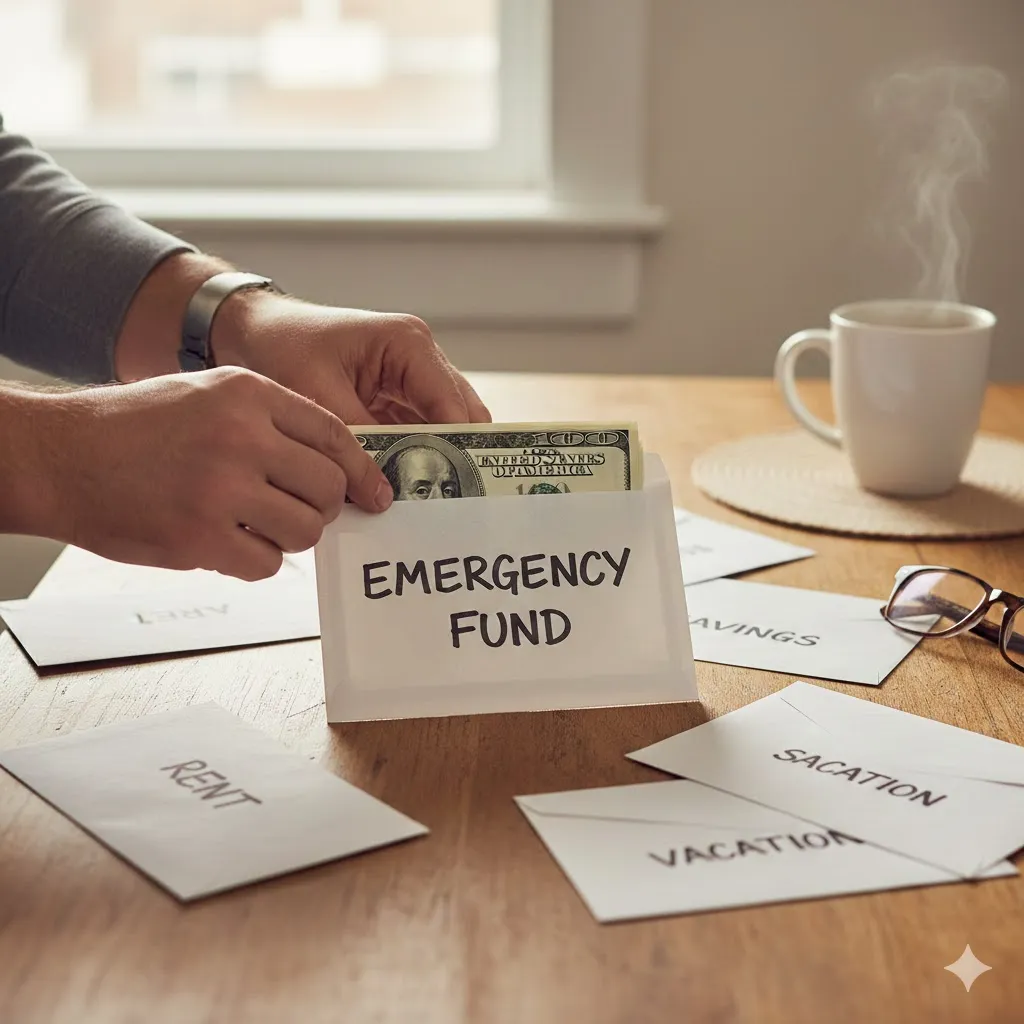
An emergency fund is money set aside specifically for unexpected, necessary expenses.
It should only be used for:
- Medical emergencies
- Essential home or car repairs
- Temporary income loss
- Urgent family situations
For example, if your car transmission fails unexpectedly and costs $2,500 to repair, an emergency fund prevents you from relying on high-interest credit cards.
This fund is a financial shock absorber.

How Much Should You Save?
The ideal amount depends on your income, job stability, and responsibilities.
| Emergency Fund Level | Purpose | Target Amount |
|---|---|---|
| Starter Fund | Covers small surprises | $1,000–$2,000 |
| Standard Fund | Covers short-term job loss | 3 months expenses |
| Strong Fund | Higher stability buffer | 6 months expenses |
| Variable Income Buffer | Self-employed protection | 6–12 months expenses |
In 2026, many financial planners still recommend saving at least three to six months of essential living expenses.
However, start small. Progress matters more than perfection.

Where Should You Keep Your Emergency Fund?
Liquidity is key.
Your emergency fund should be:
- Easily accessible
- Separate from daily spending account
- Protected from market volatility
Many people use high-yield savings accounts for:
- Quick access
- Competitive interest rates
- FDIC-insured protection (when applicable)
Avoid placing emergency funds in volatile investments like stocks or crypto. Market downturns could reduce access when you need it most.
Pro Insight
Automating small weekly transfers — even $25 to $50 — builds momentum faster than waiting to save large amounts sporadically.
How to Build an Emergency Fund Faster
Cut Temporary Expenses
Pause subscriptions or reduce discretionary spending temporarily to accelerate savings.
Use Windfalls Strategically
Tax refunds, bonuses, or side income can jumpstart your fund.
Save Raises Before Spending Them
When income increases, allocate a portion directly to your emergency fund before lifestyle inflation sets in.
For example, directing half of a $200 monthly raise into savings builds $1,200 per year without major lifestyle change.
Common Emergency Fund Mistakes
Using It for Non-Emergencies
Vacations or holiday shopping should have separate savings goals.
Investing It Aggressively
Emergency funds prioritize stability over growth.
Waiting Until Debt Is Fully Paid Off
Even while paying off debt, maintaining a starter emergency fund prevents future borrowing.
Discipline protects progress.
Quick Tip
Name your savings account “Emergency Only.” A psychological barrier reduces temptation to dip into it for non-essential spending.
Frequently Asked Questions
Should I build an emergency fund before investing?
Yes. A financial cushion protects you from withdrawing investments during downturns.
Is $1,000 enough?
It’s a strong starting point, but most households benefit from larger reserves.
What counts as essential expenses?
Housing, utilities, food, transportation, insurance, and minimum debt payments.
How long does it take to build one?
It depends on income and savings rate, but steady contributions build results over months.
Can I use a credit card instead?
Credit cards create debt. An emergency fund prevents high-interest borrowing.
Conclusion
An emergency fund in 2026 is not optional — it’s foundational. By setting aside money for unexpected expenses, you protect your financial stability and reduce reliance on debt.
Start small. Automate consistently. Build gradually.
Financial resilience begins with preparation.
Trusted U.S. Resources
Consumer Financial Protection Bureau (CFPB) – Emergency Savings Tools
https://www.consumerfinance.gov/
Federal Deposit Insurance Corporation (FDIC) – Savings Education
https://www.fdic.gov/
U.S. Securities and Exchange Commission (SEC) – Saving and Investing
https://www.sec.gov/
USA.gov – Financial Services and Benefits
https://www.usa.gov/