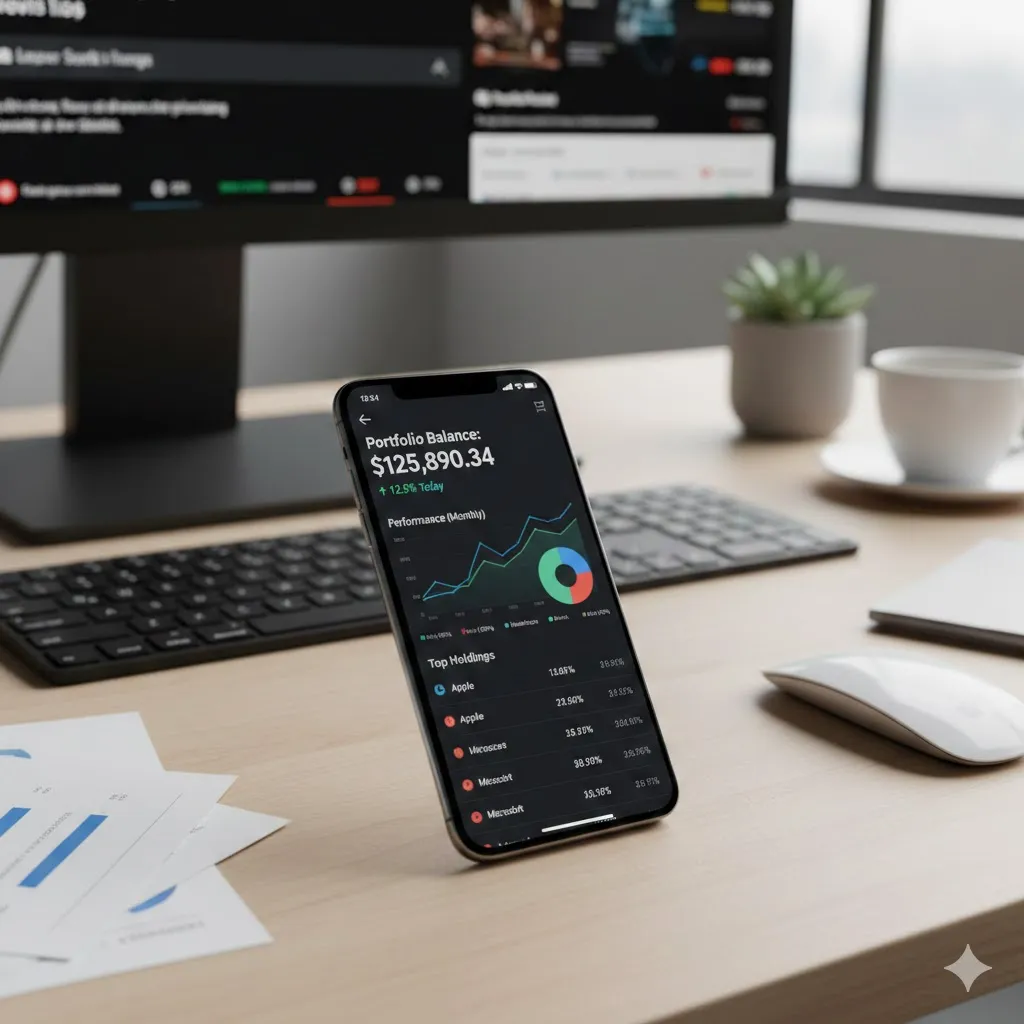

Digital wealth management has reshaped how people grow and protect money. In 2026, it’s no longer just about algorithms and dashboards—it’s about clarity, discipline, and access that fits real life. When done right, digital tools don’t replace judgment; they support better decisions without constant pressure.
This shift matters most for people who want structure without complexity.
This article is for general informational purposes only and does not provide financial, investment, or tax advice. Outcomes vary based on market conditions and individual circumstances.
Why digital wealth management keeps accelerating
Time is scarce, markets are noisy, and traditional models often feel rigid. Digital wealth management meets people where they are—on their phones, on their schedules, and with goals that change.
For example, a mid-career professional in Washington moved from sporadic investing to a digital platform that automated contributions and rebalancing. The biggest change wasn’t returns—it was consistency. Decisions happened once, not every week.
Digital platforms thrive because they reduce friction, not because they promise miracles.

What digital wealth management actually includes
It’s more than a single tool. Most platforms combine several functions into one experience.
Common features include portfolio construction, automated rebalancing, tax-aware strategies, and goal tracking. Some add human advisors on demand, blending technology with personal guidance.
Automation with guardrails
Rules handle routine actions while guardrails limit risk. A nonprofit employee in Minnesota avoided panic selling during volatility because her plan rebalanced automatically—no action required.
Internal links to your asset allocation or long-term investing guides fit naturally here.
How digital platforms support better behavior
The hidden value of digital wealth management is behavioral.
Clear visuals, progress tracking, and fewer manual decisions reduce emotional swings. A small business owner in Oregon found it easier to stay invested when performance was framed against goals instead of daily market moves.

Comparing digital wealth management approaches
Not all platforms serve the same needs. This comparison clarifies expectations.
| Approach | Best For | Hands-On Time | Customization |
|---|---|---|---|
| Robo-led portfolios | Hands-off investors | Very low | Limited |
| Hybrid digital + advisor | Growing complexity | Low | Medium |
| Self-directed tools | Experienced users | Medium | High |
| Employer-based platforms | Workplace savers | Very low | Low |
Pro Insight
The biggest advantage isn’t technology—it’s adherence. Investors who stick to a plan often outperform those who constantly tweak it.
Quick Tip
Align automated contributions with your paycheck schedule. Consistency in timing matters more than perfect market entry.
Where digital wealth management falls short
Digital tools don’t eliminate the need for planning. Life changes—career shifts, family needs, major purchases—may require adjustments.
A couple in Arizona paused contributions briefly during a relocation, then resumed without dismantling their strategy. Flexibility around inputs matters more than changing the system itself.

FAQs
What is digital wealth management?
It’s the use of technology to plan, invest, and manage wealth with automated tools and data-driven guidance.
Is digital wealth management safe?
Platforms are regulated, but all investing carries market risk.
Can beginners use digital wealth management?
Many beginners prefer it because it reduces complexity and emotional pressure.
Does it replace a human advisor?
Sometimes. For complex needs, a hybrid model often works best.
How often should I review my plan?
Once or twice a year is usually sufficient unless life changes occur.
Conclusion
Digital wealth management works when it simplifies decisions and strengthens discipline. By combining automation with clear goals, it helps investors stay consistent through uncertainty. The result isn’t constant excitement—it’s sustainable progress that fits real life.
Trusted U.S. Resources
- U.S. Securities and Exchange Commission (SEC): https://www.sec.gov
- FINRA Investor Education: https://www.finra.org
- Vanguard Investor Research: https://investor.vanguard.com