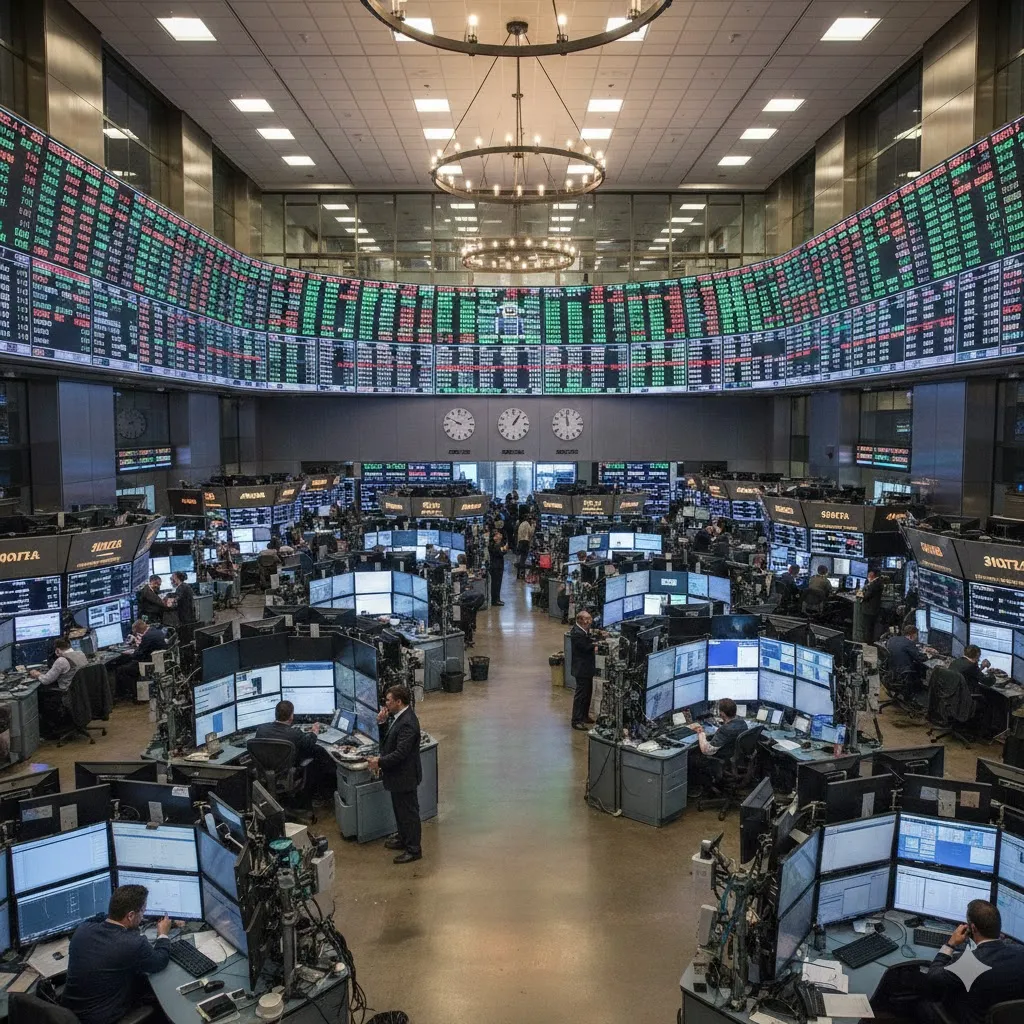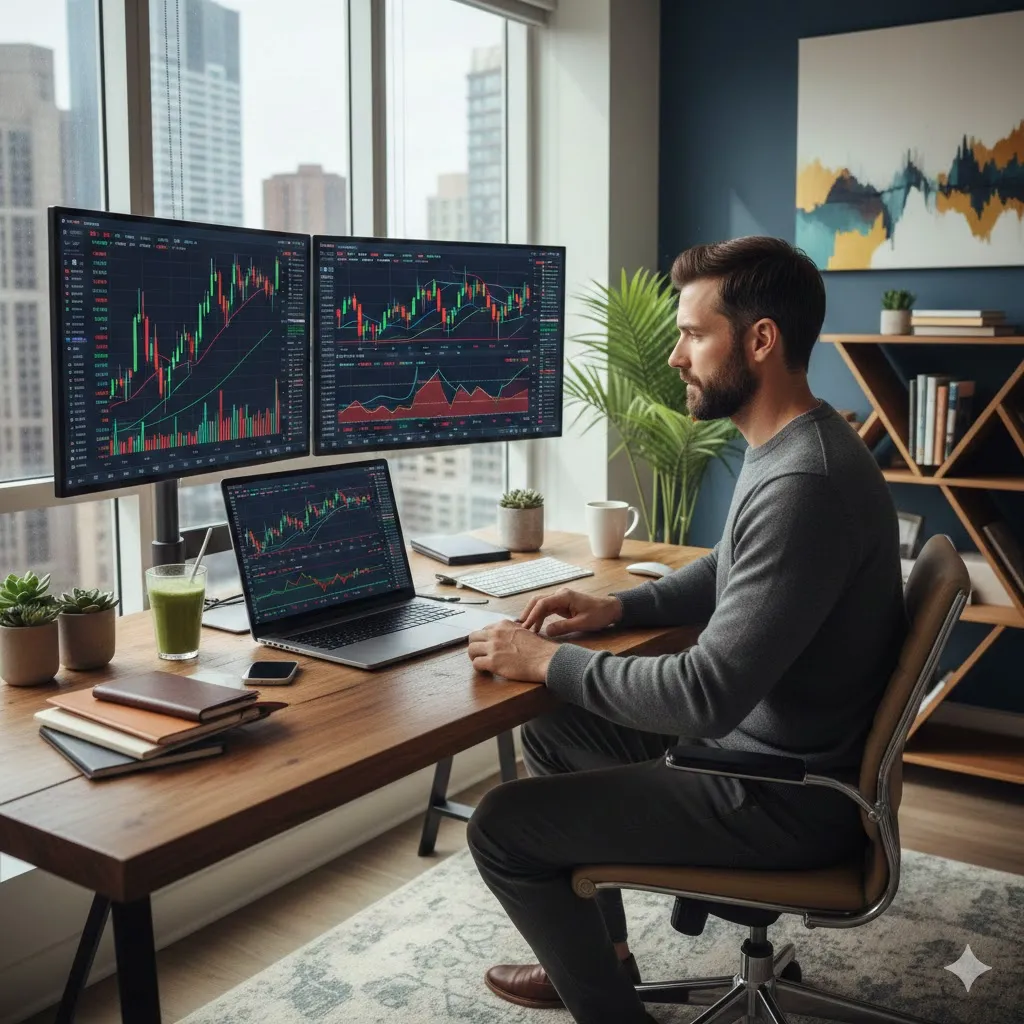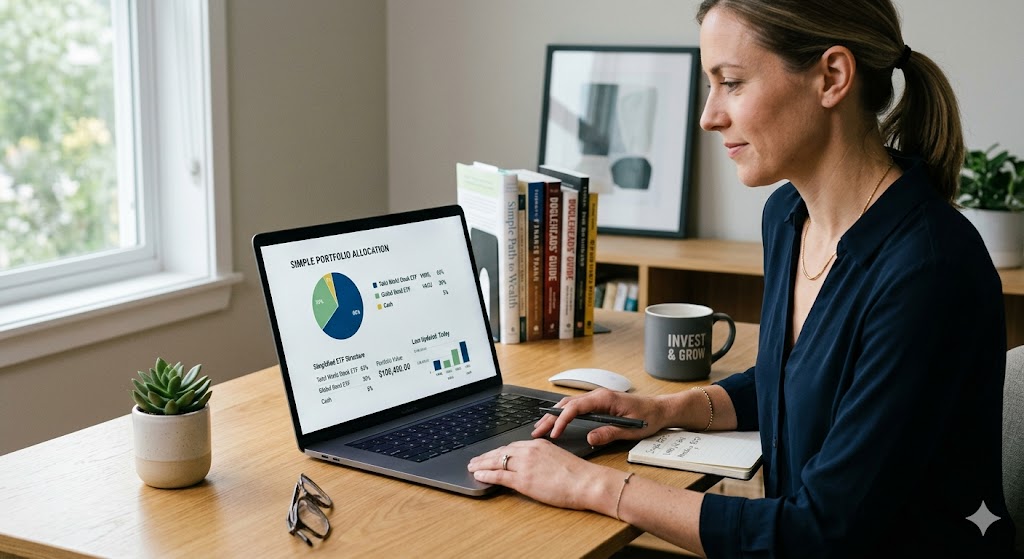

Day trading attracts attention for its fast pace and potential for short-term gains. It involves buying and selling financial instruments within the same trading day, often closing all positions before the market ends. While the concept sounds straightforward, the reality requires discipline, preparation, and a clear understanding of risk.
What Is Day Trading and How It Works
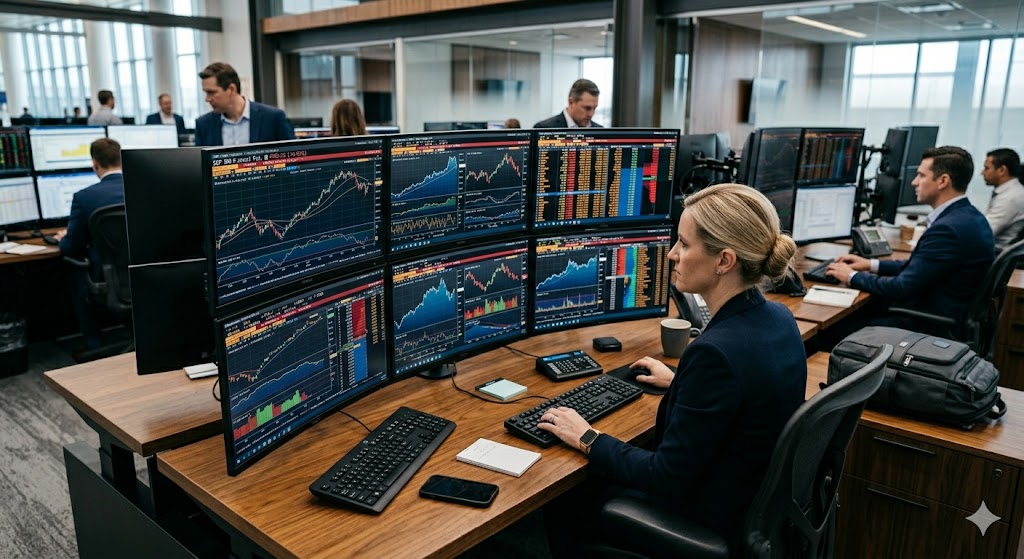
Day trading focuses on capturing small price movements over short periods. Traders may hold positions for minutes or hours, but rarely overnight. Common markets include stocks, options, forex, and cryptocurrencies.
The goal is to take advantage of intraday volatility. For example, a trader might buy a stock early in the session and sell it later when the price rises slightly. These incremental gains can add up, though losses can accumulate just as quickly.
Execution speed and timing are essential. Many traders rely on trading platforms with real-time data, charting tools, and quick order execution.
Day Trading vs Long-Term Investing
Understanding how day trading differs from long-term investing helps set expectations.
| Factor | Day Trading | Long-Term Investing |
|---|---|---|
| Time Horizon | Minutes to hours | Years |
| Trading Frequency | High | Low |
| Risk Exposure | Elevated | Moderate over time |
| Time Commitment | Significant | Minimal to moderate |
| Strategy Focus | Short-term price movement | Long-term growth |
Both approaches can coexist, but they require very different mindsets and skill sets.
Common Day Trading Strategies
Day traders often use a combination of technical tools and structured strategies.
Scalping involves making multiple small trades throughout the day to capture minor price changes.
Momentum trading focuses on assets showing strong movement in one direction, often driven by news or high trading volume.
Breakout trading looks for price levels where an asset moves beyond support or resistance, potentially signaling a new trend.
Each strategy requires careful timing and risk control. No single method works in all market conditions.
Tools and Skills You’ll Need
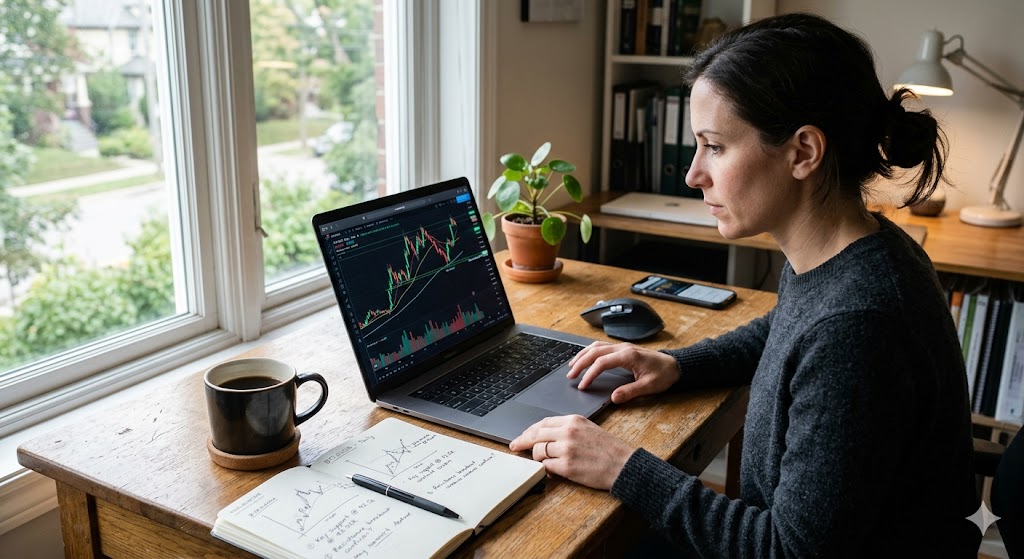
Successful day trading depends on more than just choosing the right asset.
Traders typically rely on:
- Real-time market data feeds
- Charting software with technical indicators
- Fast and reliable internet connection
- A brokerage platform with low execution delays
Equally important are soft skills. Patience, discipline, and the ability to follow a plan can influence outcomes more than any single trade.
Pro Insight
Many experienced traders focus on consistency rather than large wins. Limiting losses and maintaining a structured approach often plays a bigger role in long-term results than occasional high-profit trades.
Risks You Should Understand
Day trading carries a higher level of risk compared to many other strategies.
Price volatility can lead to rapid losses, especially when leverage is involved. Transaction costs also add up due to frequent trading.
Emotional decision-making is another challenge. Reacting impulsively to market movements can lead to inconsistent outcomes.
Consider a simple scenario. A trader enters multiple positions during a volatile session without clear exit rules. Small losses accumulate, and by the end of the day, the overall result is negative despite a few profitable trades.
Quick Tip
Set clear entry and exit rules before placing a trade. Sticking to predefined limits can help reduce emotional decisions during fast-moving markets.
How to Get Started Responsibly
Starting with a structured approach can make a significant difference.
Many beginners begin with a demo account to practice without risking real money. This allows you to understand platform mechanics and test strategies.
It’s also important to start small. Using limited capital helps reduce potential losses while you gain experience.
Education plays a key role. Learning basic technical analysis, market behavior, and risk management can provide a stronger foundation before committing larger amounts.
Managing Risk in Day Trading

Risk management is central to day trading.
Position sizing helps control how much capital is exposed in each trade. Stop-loss orders can automatically limit downside if a trade moves against you.
Diversification is less common in day trading due to the short time frame, but avoiding overconcentration in a single position is still important.
Regularly reviewing your trades can also reveal patterns—both strengths and mistakes—that inform future decisions.
Frequently Asked Questions
Is day trading suitable for beginners
It can be challenging for beginners due to its fast pace and risk, but learning gradually can help build experience.
How much money do I need to start day trading
The required amount varies by market and platform, but starting with a smaller amount is often recommended.
Can you make money from day trading
Some traders do, but outcomes vary widely and losses are also common.
What markets are best for day trading
Stocks, forex, and cryptocurrencies are commonly traded due to their liquidity and volatility.
How many hours a day do traders work
It depends on the strategy, but many focus on peak market hours when volatility is higher.
Conclusion
Day trading offers a fast-moving approach to the financial markets, but it comes with meaningful complexity and risk. A disciplined strategy, realistic expectations, and consistent risk management are essential for navigating this space. While it may appeal to those seeking active involvement, it requires preparation and ongoing learning to approach responsibly.
https://www.sec.gov
https://www.investor.gov
https://www.finra.org
https://www.cftc.gov
This article is for general informational purposes only and does not provide legal, financial, medical, or professional advice. Policies, rates, and regulations may change over time.