

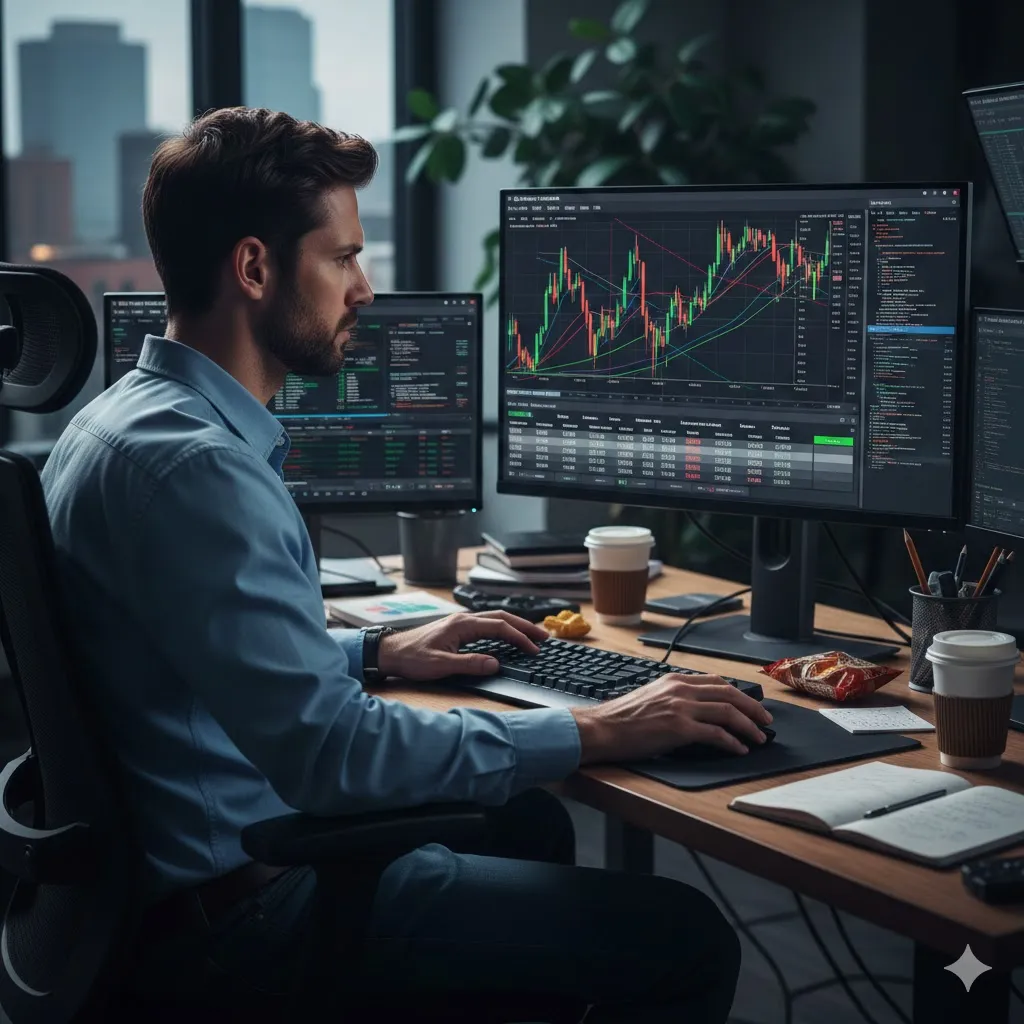
Algorithm investing has reshaped how markets operate. In 2026, from institutional hedge funds to retail platforms, algorithms execute trades based on structured rules and data analysis—often in milliseconds. For investors seeking consistency, speed, and discipline, algorithm investing offers a powerful alternative to emotion-driven decisions.
But automation does not eliminate risk. It changes how risk shows up.
This article is for general informational purposes only and does not provide financial, investment, or trading advice. All investing involves risk, and outcomes vary based on market conditions and strategy design.
What algorithm investing actually means
Algorithm investing uses predefined rules or quantitative models to make trading and allocation decisions. Unlike discretionary investing, where humans analyze charts and news manually, algorithms follow programmed instructions without hesitation.
A portfolio manager in Chicago shifted part of his strategy to algorithm-based allocation. The benefit wasn’t higher excitement—it was consistent execution, even during volatile market sessions.
Algorithms don’t panic. They execute.

How algorithm strategies are built
Most algorithm investing systems rely on structured inputs such as:
- technical indicators
- price momentum
- volatility metrics
- macroeconomic data
- quantitative ranking systems
Some use simple rule-based logic, while others incorporate machine learning to adapt over time.
If your site includes AI trading or portfolio automation guides, internal links fit naturally here.
Rules must match risk tolerance
An algorithm may generate strong returns during certain conditions but struggle in others. Risk parameters—such as stop-loss limits and position sizing—remain essential safeguards.
Comparing algorithm investing approaches
Different algorithm types serve different goals.
| Strategy Type | Best For | Complexity | Adaptability |
|---|---|---|---|
| Rule-based momentum | Trend followers | Moderate | Low |
| Mean reversion models | Short-term traders | Moderate | Low |
| Machine learning models | Data-driven investors | High | Medium |
| Portfolio rebalancing algorithms | Long-term investors | Low | Moderate |
Pro Insight
Algorithm investing removes emotional bias—but it can introduce model bias. Over-optimized systems often perform well historically yet struggle in live markets.
Quick Tip
Before deploying capital, test any algorithm strategy in a simulated environment across multiple market cycles—not just recent trends.
Risks investors should understand
Algorithm investing introduces several specific risks:
- Model overfitting: Strategy works in backtests but fails live
- Infrastructure dependency: Reliance on APIs and stable data feeds
- Liquidity risk: Algorithms may struggle during low-volume periods
- Regime shifts: Market conditions change beyond model assumptions
A trader in New York experienced sudden drawdowns when market volatility exceeded the parameters used to design the algorithm.
Internal links to risk management or diversification guides fit naturally here.
Human oversight still matters
Even automated systems require monitoring.
Periodic evaluation of:
- drawdowns
- consistency with long-term goals
- exposure levels
- transaction costs
…ensures algorithm investing remains aligned with your broader financial plan.
A disciplined investor in Texas reviews algorithm performance quarterly rather than reacting daily, maintaining balance without micromanagement.

FAQs
What is algorithm investing?
It’s an investment approach that uses automated rules or models to execute trades or allocate assets.
Is algorithm investing safer than manual trading?
Not necessarily. It reduces emotional bias but introduces model and technical risks.
Can beginners use algorithm investing platforms?
Some platforms are beginner-friendly, but understanding the strategy is critical.
Does algorithm investing guarantee profits?
No. All strategies are subject to market risk.
How often should algorithm strategies be reviewed?
Regularly—quarterly or during significant market changes.
Conclusion
Algorithm investing offers structure, speed, and emotional discipline. Yet automation doesn’t replace responsibility. The strongest results come from pairing algorithm precision with thoughtful oversight and risk management. Technology can execute efficiently—but strategy and accountability remain human decisions.
Trusted U.S. Resources
- U.S. Securities and Exchange Commission (SEC): https://www.sec.gov
- FINRA Investor Education: https://www.finra.org
- Commodity Futures Trading Commission (CFTC): https://www.cftc.gov