

Learn what 3x ETFs are, how they work in 2026, and the biggest risks to avoid before trading leveraged ETFs.
3x ETFs (also called 3x leveraged ETFs) are designed to deliver three times the daily return of an index or asset. They can look like an easy shortcut to bigger gains. However, they also come with risks that many people don’t understand until it’s too late.
For example, someone might buy a 3x ETF expecting it to triple the index return over a month. Still, that’s not how these funds work. The “3x” target is usually daily, not long-term. Because of that, holding them too long can create surprising results—even when the market moves in the direction you wanted.
Let’s break it down clearly.
What Are 3x ETFs in Simple Terms
A 3x ETF is a fund that tries to move 3 times up or down compared to the daily performance of a benchmark.
Common examples include:
- 3x S&P 500 funds
- 3x Nasdaq funds
- 3x sector ETFs (tech, semiconductors, energy)
- 3x bearish ETFs that move opposite the index
However, these ETFs use derivatives like swaps and futures to achieve leverage. That’s why they behave differently than normal index funds.
If you’re comparing risky products, you may also want to read a high risk trading guide and a position sizing guide to stay grounded.

How 3x ETFs Actually Work Day to Day
Here’s the most important detail:
A 3x ETF targets 3x the DAILY return, not the long-term return.
That means it resets every day. Therefore, the performance over weeks or months depends heavily on volatility, not just direction.
Real-life micro-scenario:
A trader buys a 3x Nasdaq ETF because they believe tech will rise this month. The index rises overall, but it swings wildly day to day. The trader expects big gains. Still, the 3x ETF returns less than expected because daily resets and volatility drag reduce performance.
This is why many people get confused. The math isn’t intuitive.
The Volatility Drag That Quietly Hurts Returns
Even when the index ends up close to where it started, a 3x ETF can lose money.
Why? Because big swings create compounding losses.
Here’s a simple idea:
- Up 10% today
- Down 10% tomorrow
You’re not back to even. You’re slightly down. With 3x leverage, that effect becomes much bigger.
So while 3x ETFs can be powerful, they are often better for short-term trading than long-term holding.
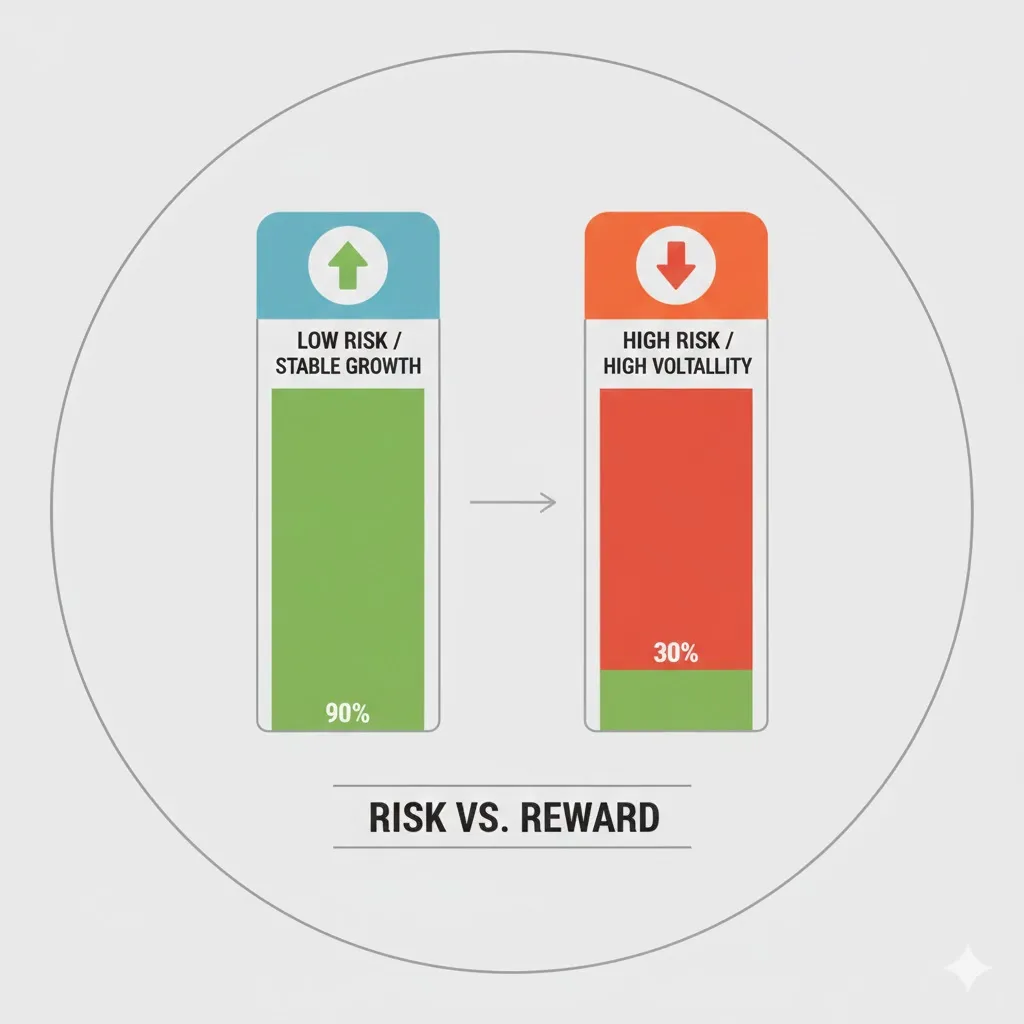
3x ETFs vs Regular ETFs Comparison Table
| Feature | Regular ETF | 3x Leveraged ETF |
|---|---|---|
| Goal | Track index performance | 3x daily index performance |
| Best for | Long-term investing | Short-term trading |
| Risk level | Moderate | Very high |
| Daily reset | No | Yes |
| Volatility impact | Lower | Much higher |
This is the main reason people treat 3x ETFs carefully. They are tools, not “set and forget” investments.
When 3x ETFs Can Be Useful
3x ETFs can be useful when you have a clear plan and a short time horizon.
They’re often used for:
- short-term momentum trades
- hedging for a few days
- tactical market moves during strong trends
- quick exposure without options
For example, a trader might use a 3x ETF during a strong bullish trend week and exit quickly once the move slows down.
Still, they require active monitoring. That’s why many long-term investors avoid them.
Pro Insight
Many experienced traders treat 3x ETFs like “daily instruments.” If the trade thesis is not working quickly, they exit early instead of holding and hoping.
The Biggest Mistakes People Make With 3x ETFs
Holding too long
This is the most common mistake. People buy them like normal ETFs. However, they aren’t built for long holding periods.
Using them without a stop-loss plan
Because the moves are amplified, losses can stack fast.
Buying before major news events
Earnings, Fed announcements, or sudden geopolitical headlines can cause sharp swings. With 3x ETFs, those swings hit harder.
Over-allocating your account
Even if you’re confident, a 3x ETF position that’s too large can cause a stressful drawdown.
If you want a safer structure, reading a trading risk plan can help you keep your exposure controlled.

Quick Tip
If you want to trade 3x ETFs, consider sizing down. Many traders use one-third the position size they would normally use, so the risk stays similar.
FAQs About 3x ETFs
Do 3x ETFs always triple returns?
No. They aim to triple the daily return, not the long-term return. Over time, volatility can change results.
Are 3x ETFs safe for long-term investing?
They are generally considered risky for long-term holding due to daily resets and compounding effects.
Can you lose money even if the index goes up?
Yes. If the market is volatile, the 3x ETF may underperform expectations even during an overall upward move.
Are 3x ETFs the same as margin trading?
Not exactly. You don’t borrow directly like margin, but the fund uses leverage internally through derivatives.
Do 3x ETFs pay dividends?
Some do, but dividends are not the main purpose. Most traders use them for price movement, not income.
Disclaimer
Investing and trading involve risk and may result in losses. This article is for informational purposes only and does not provide financial, legal, or investment advice.